

Businesses today face growing pressure to protect sensitive information. From financial records to employee data, even a small lapse in security can lead to serious consequences. Understanding how data destruction supports risk management is essential for organizations looking to stay compliant and protect their reputation.
Proper data destruction is not just about getting rid of old documents. It is a strategic process that reduces exposure to data breaches, legal penalties, and operational disruptions. When handled correctly, it becomes a critical component of a broader risk management plan.
Why Data Destruction Matters for Modern Businesses
Every organization collects and stores data over time. This includes physical documents, digital files, and even outdated hardware. Any materials that a business fails to securely destroy can become a liability.
Data breaches often occur when information is improperly discarded. Dumpster diving, unauthorized access, and internal mishandling are all real risks. Secure destruction eliminates these vulnerabilities by permanently destroying these sensitive materials.
Using an on-site shredding service adds another layer of protection. Businesses can witness the destruction process in real time, creating transparency and confidence in their security practices.
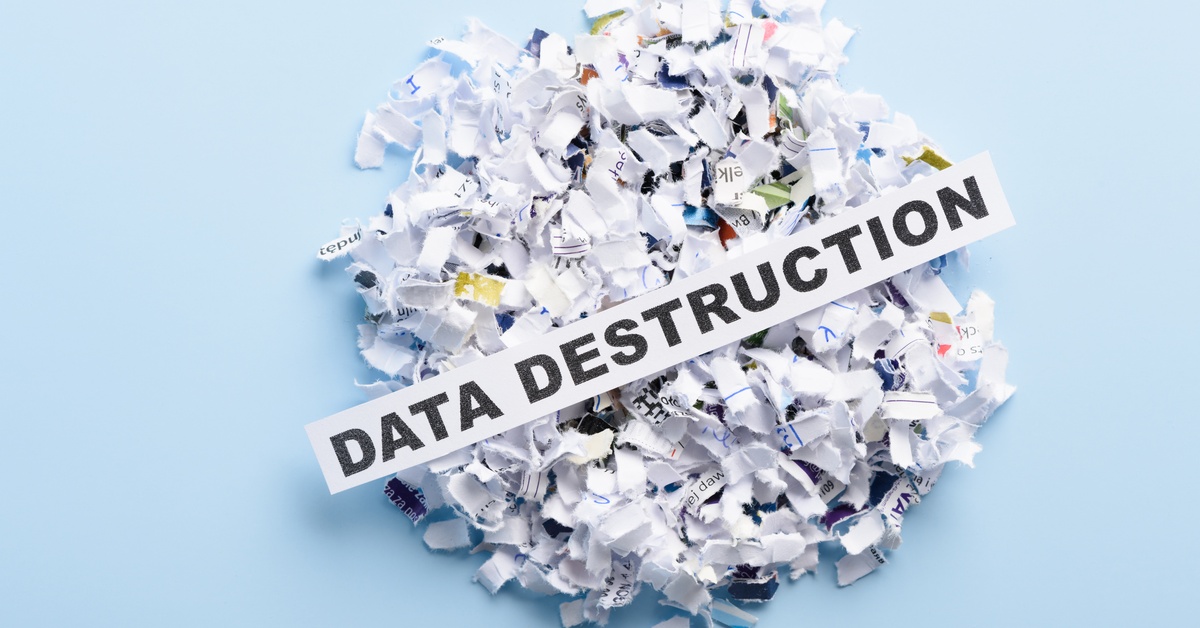
Key Risks Reduced by Secure Data Destruction
Risk management is about identifying and minimizing potential threats. Data destruction directly addresses several of the most common risks organizations face.
Compliance and Regulatory Risks
Many industries are governed by strict data protection laws. Failure to comply can result in fines, lawsuits, and reputational damage.
Secure destruction helps organizations meet requirements such as:
- Proper disposal of confidential records
- Protection of personally identifiable information
- Documented destruction processes for audits
Maintaining compliance is easier when destruction practices are consistent and verifiable.
Data Breach and Identity Theft Risks
Bad actors can recover and misuse improperly handled data. This includes client information, employee records, and proprietary business data.
Secure shredding ensures that information cannot be reconstructed or accessed. This reduces the likelihood of identity theft and corporate espionage.
Operational and Reputational Risks
A data breach can disrupt operations and erode customer trust. Even a single incident can have long-term consequences.
By implementing reliable destruction practices, businesses demonstrate accountability and commitment to data security. This builds trust with clients, partners, and stakeholders.
The Role of On-Site Shredding in Risk Management
Not all data destruction methods are equal. Off-site services may involve transporting sensitive materials, which introduces additional risk. On-site solutions remove that uncertainty.
With an on-site shredding service, professionals destroy materials at your location. This eliminates the need for transportation and reduces the chain of custody.
Benefits of on-site destruction include:
- Immediate destruction without delays
- Full visibility into the process
- Reduced risk of lost or mishandled materials
This approach aligns with best practices for risk management by minimizing exposure at every stage.
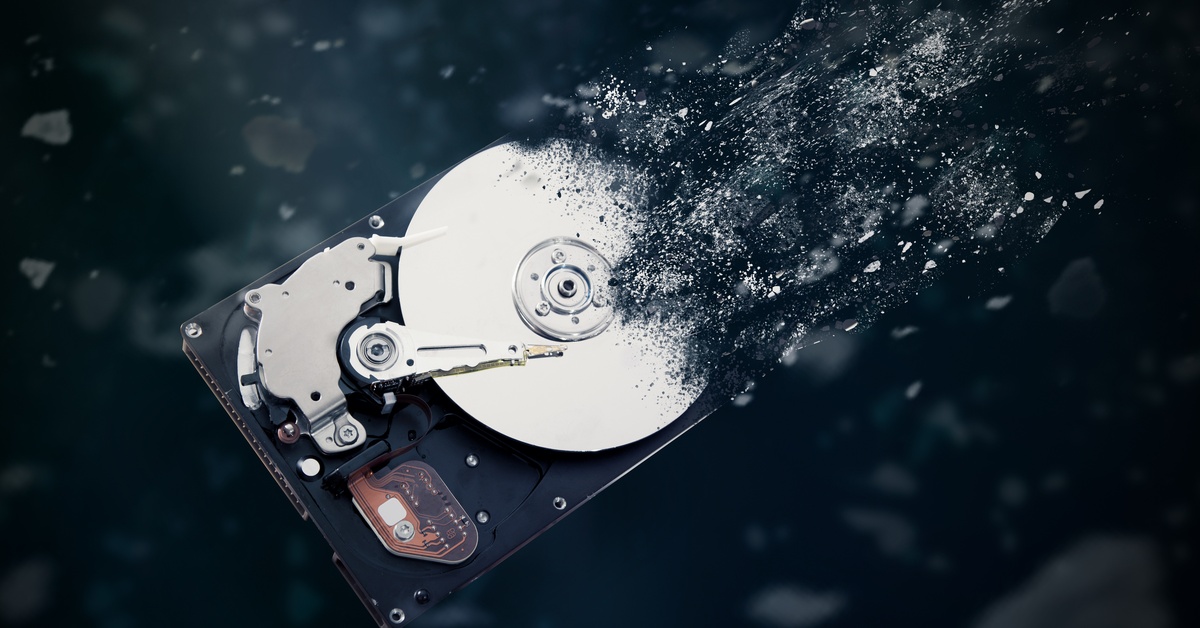
How Data Destruction Fits Into a Broader Risk Strategy
Data destruction shouldn’t be something your team treats as a one-time task. It works best when integrated into a larger risk management framework.
Organizations that take a proactive approach often prioritize:
- Regularly scheduled shredding services
- Clear policies for document retention and disposal
- Employee training on handling sensitive information
These measures ensure that teams can securely manage data throughout its lifecycle, not just in the end.
Types of Data That Require Secure Destruction
Many businesses underestimate the volume of sensitive information they handle. It is important to identify all materials that require secure disposal.
Common examples of sensitive data include:
- Financial records and tax documents
- Employee files and HR paperwork
- Customer lists and transaction histories
- Outdated hard drives and electronic media
Each of these items can pose a risk if not properly destroyed. A consistent destruction process helps prevent gaps in security.
Building a Reliable Data Destruction Process
Creating an effective destruction plan involves more than choosing a service provider. It requires clear procedures and accountability.
Follow these steps to strengthen your process:
- Establish a document retention policy
- Schedule regular destruction intervals
- Partner with a trusted on-site provider
Consistency is key. When you make destruction part of routine operations, you significantly reduce risks.
Transparency and Trust in Data Destruction
One of the most important aspects of risk management is transparency. Businesses need to know that your business is handling their data in a secure way from start to finish.
On-site services provide this reassurance by allowing companies to witness the destruction process. This visibility helps build confidence and ensures compliance with internal policies.
Transparency also supports audit readiness. With verifiable documentation, organizations can demonstrate compliance with ease.
Avoiding Common Data Destruction Mistakes
Even well-intentioned businesses can make mistakes when it comes to data disposal. These errors can undermine risk management efforts.
Avoid relying on basic office shredders, which may not provide sufficient security. These machines can be inefficient and leave room for reconstruction. You also want to create a routine for data destruction instead of delaying destruction until large volumes accumulate. This increases the window of exposure and creates unnecessary risk. Finally, do not overlook non-paper materials such as hard drives and storage devices. Digital data requires specialized destruction methods.
Addressing these challenges helps ensure that all sensitive information is handled appropriately.
The Long-Term Value of Secure Data Destruction
Investing in proper data destruction delivers long-term benefits. It protects against immediate threats while also supporting ongoing compliance and operational stability. Organizations that prioritize secure destruction often see improvements in data governance, build greater confidence among clients and partners, and reduce the risk of costly breaches and penalties.
These advantages make data destruction a valuable component of any risk management strategy.
Strengthening Risk Management Through Data Destruction
Understanding how data destruction supports risk management allows businesses to take control of their information security. By eliminating vulnerabilities and ensuring compliance, secure destruction reduces the likelihood of costly incidents.
An on-site shredding service provides the added benefit of transparency and immediate results. It removes uncertainty and gives organizations confidence in their processes.
If your business is looking to reduce risk and protect sensitive information, now is the time to act. Contact IntelliSHRED today to learn how their on-site shredding solutions can support your security and compliance goals.