
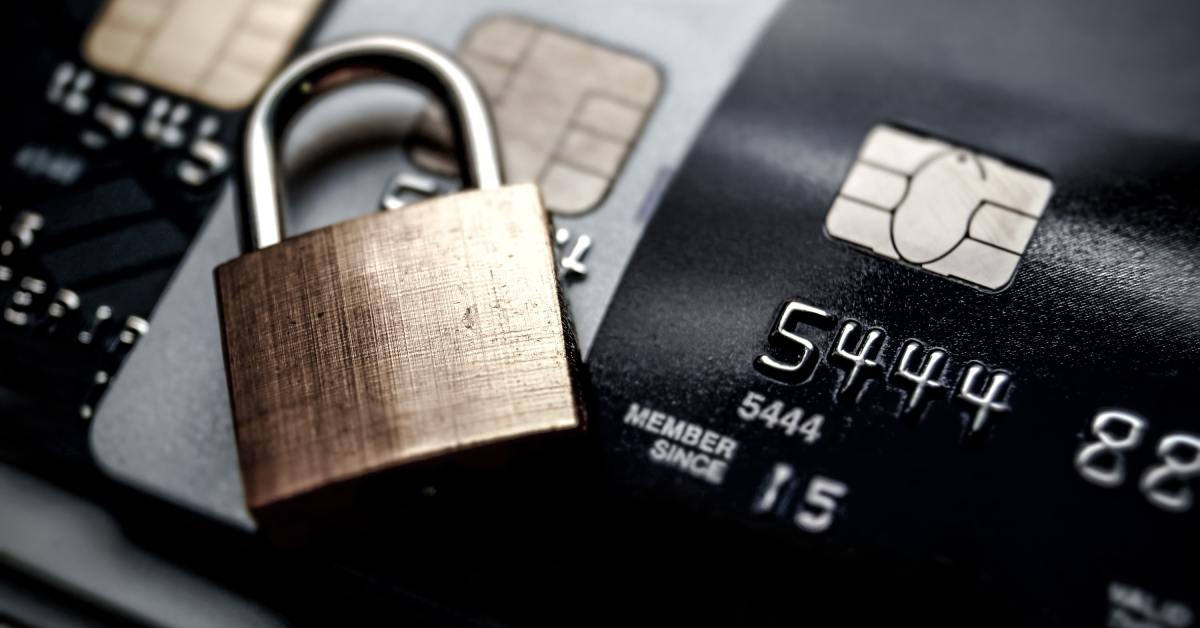
Financial security hinges on how well you control your information. Criminals don’t need much to wreak havoc—one discarded bank statement or pre-approved offer can be enough. Secure disposal practices reduce those risks dramatically and strengthen your overall defense. Businesses and households that bake shredding into daily routines close easy pathways to fraud. Most importantly, document shredding for your financial security efforts forms a simple, repeatable habit with a massive impact.
Paper looks harmless once it has served its purpose. However, any document that lists names, addresses, account numbers, or health details can fuel identity theft. Shredding turns readable information into confetti, shrinking the attack surface and complementing other layers of protection, such as encryption and access controls. Think of shredding as the last mile of information security—the place where small changes pay off.
The Alarming Rise of Financial Fraud
Regulators and consumer advocates continue to report millions of fraud and identity theft incidents each year. Losses reach into the billions, driven by phishing, account takeovers, and data found in the physical and digital waste stream. Attackers look for the easiest target, and poorly discarded paperwork still offers a direct route into bank accounts and credit files.
Compromise often starts close to home. Mail theft exposes statements and checks. Unlocked office bins become a treasure trove of payroll data and invoices. Moves, cleanouts, and tax season purges produce piles that end up in recycling without proper destruction. Even well-meaning employees may place sensitive printouts in regular trash after a meeting.

How Document Shredding Prevents Information Leaks
Throwing documents away relies on hope—hope that no one looks. Shredding replaces hope with control. Once cross-cut or micro-cut shredding reduces a page to tiny pieces, reconstructing meaningful data becomes exponentially harder. Landfills, recycling centers, and office cleaning crews no longer present the same risk.
Organizations also benefit from provable destruction. A documented, auditable process demonstrates diligence and reduces liability. Certificates of destruction, secure collection containers, and witnessed on-site shredding close compliance gaps while giving leaders confidence that their policies match practice.
Shredding Security Levels Explained
Not all shredding is equal. Strip-cut machines slice pages into long ribbons that can be pieced together more easily. Cross-cut machines produce confetti-like pieces and offer stronger protection for everyday needs.
Higher security scenarios benefit from micro-cut machines, which reduce pages to tiny particles. Industry standards rate destruction levels from P-1 through P-7, with higher numbers indicating smaller particle sizes. Sensitive financial and health information typically warrants a P-4 or higher level.
Types of Documents To Shred
Financial paperwork remains a prime target. Bank and brokerage statements, credit card bills, canceled and voided checks, and tax documents all contain details that can enable fraud. Even deposit slips and ATM receipts can reveal more than expected.
Medical and insurance records merit the same care. Explanation of benefits forms, claim summaries, provider bills, and copies of prescriptions often include personal identifiers. Legal documents, employment files, payroll records, and loan applications carry Social Security numbers and signatures, which you should always destroy. Junk mail with pre-approved credit offers, shipping labels, and boarding passes also belong in the shredder.
Choosing a Shredding Method
Home and small office shredders deliver convenience and immediate control. Quick destruction of a handful of pages after opening mail or closing a project keeps information out of the trash. Costs are predictable, and no scheduling is necessary. The tradeoffs revolve around time, maintenance, and capacity. Small machines jam, overheat, and struggle with staples, credit cards, and high document volumes.
A professional mobile shredding service brings industrial-grade power to your curb. Uniformed technicians bring documents from your office directly to a shredding truck, where destruction happens on-site while you watch. Chain-of-custody procedures reduce risk from the moment papers leave your hands. A certificate of destruction documents every visit, which supports audits and policy enforcement.
Scalability helps busy teams. Quarterly purges, post-move cleanouts, or routine schedule-based collections happen without tying up staff or equipment. Shredded paper typically enters a secure recycling stream, which supports sustainability goals alongside security. Households likewise benefit when years of files or estate paperwork require fast, secure disposal with minimal hassle.
Compliance and Legal Considerations
Privacy regulations require secure disposal of personal information. HIPAA mandates the protection and proper destruction of protected health information in any format. FACTA’s Disposal Rule requires businesses that maintain consumer information to take reasonable measures to prevent unauthorized access during disposal. Many states add their own data protection and breach notification rules.
Shredding provides a clear and widely accepted method for meeting these obligations. Written policies define what is sensitive and how long to keep it. Locked consoles, scheduled service, and destruction certificates show that controls work in practice. Auditors want consistency and proof, and a mature shredding program provides both.

Best Practices for Regular Shredding
Strong programs start with a retention schedule. Each document category receives a keep period aligned with legal requirements and business needs. Once the period ends, the destruction process immediately follows. Clean-desk policies support this rhythm by steering drafts and notes into secure consoles rather than general trash.
Employees need straightforward guidance and training. Simple rules—such as “when in doubt, shred”—prevent hesitation. Remote and hybrid teams should receive pre-paid shred bags or access to designated drop-off options. Leaders then monitor compliance through service logs and periodic spot checks, treating destruction as a routine control method rather than a special event.
Protecting Your Digital Financial Footprint
Paper and pixels share a lifecycle. Secure storage, limited access, and timely destruction apply to both. Files sitting on laptops, shared drives, or old USB sticks can be just as risky as a box of bank statements. Strong passwords, a reputable password manager, and multifactor authentication reduce the chance of account compromise.
Secure deletion matters at end of life. Emptying the recycle bin does not erase data. Use full-disk encryption during device use and a trusted wiping tool before disposal or reuse. A qualified service provider should destroy any hard drives, solid-state drives, and backup tapes. Many shredding companies also handle media destruction, enabling a single, coordinated approach to end-of-life information.
A Commitment to Financial Safety
Security improves when simple habits meet clear processes. That is exactly what shredding provides. Sensitive paperwork never lingers, compliance obligations stay on track, and would-be thieves face a wall of confetti rather than a legible page. The result complements multi-layered controls and reduces breach exposure in measurable ways.
Document shredding for your financial security efforts closes a major gap that criminals routinely exploit. Ready to make disposal the strongest link in your chain? Contact IntelliSHRED today to schedule a mobile shredding service that fits your volume, frequency, and compliance needs.