

Electronics represent one of the fastest-growing waste streams globally, with millions of devices discarded annually. In addition to the environmental impact of this mounting problem, there’s also the potential for illegal data mining.
Luckily, there’s a convenient process that physically destroys electronic devices to ensure complete data destruction. Understanding how e-waste shredding helps combat illegal data mining is the first step in dealing with this growing problem.
The Dangers of Data Mining From Discarded Electronics

Cybercriminals systematically target e-waste facilities, dumpsters, and individual trash bins to collect discarded devices. Using readily available data recovery tools, they can extract personal photos, financial records, business communications, and login credentials.
Data mining from electronic waste has become a lucrative criminal enterprise. When devices are improperly disposed of, sensitive information remains accessible to anyone with the right tools and knowledge. Standard deletion methods only remove file references, not the actual data, leaving information vulnerable to recovery software.
The financial impact is staggering. Data breaches resulting from improper e-waste disposal cost businesses millions in remediation, legal fees, and reputational damage. For individuals, the consequences include identity theft, financial losses, and years of credit repair efforts.
Electronics Vulnerable to Data Mining
Most electronic devices are susceptible to data mining practices, leaving your information up for grabs if you aren’t careful.
Smartphones and Tablets
Mobile devices store extensive personal information, including contacts, messages, photos, location data, and app login credentials. Even after factory resets, forensic tools can often recover deleted data from these devices.
Laptops and Desktop Computers
Personal computers are often used to store financial records, personal documents, browser histories, and stored passwords. Hard drives maintain data integrity even after standard formatting procedures are applied.
External Storage Devices
USB drives, external hard drives, and memory cards frequently contain backup files and confidential documents. Their small size makes them easy targets for data thieves scouring e-waste facilities.
Printers and Copiers
Modern multifunction printers contain hard drives that store copies of every document processed. These devices often retain sensitive business documents, contracts, and personal information long after disposal.
Networking Equipment
Routers, switches, and other networking devices store configuration data, network passwords, and cached user information that can provide access to entire network infrastructures.
How E-Waste Shredding Works
E-waste shredding is a specialized process that physically destroys electronic devices to ensure complete data destruction. Unlike simple deletion or formatting, shredding renders data completely unrecoverable through the mechanical destruction of storage media.
Collecting and Sorting
The process begins with device collection and sorting, where electronics are categorized by type and data sensitivity level. Hazardous materials such as batteries are removed for separate handling. Devices then undergo initial dismantling to separate components and identify storage media.
The Shredding Process
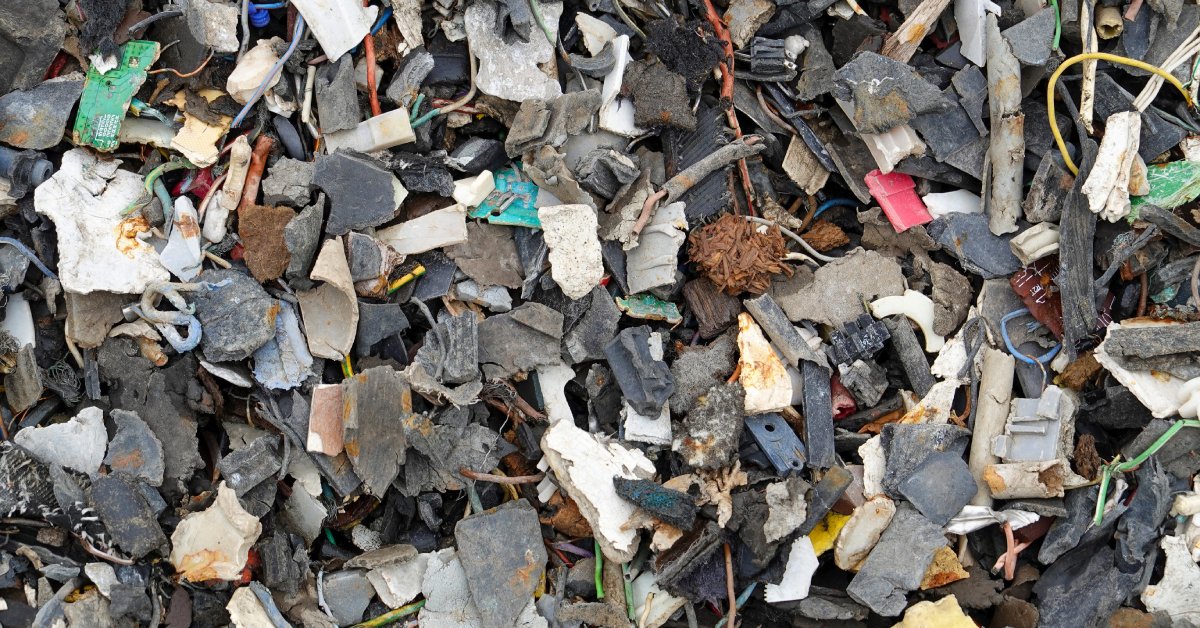
The actual shredding process uses industrial-grade shredders to reduce devices to small particles. The resulting pieces are typically less than two inches in size, ensuring that no recoverable data remains. The shredding process is often conducted under strict security protocols with video monitoring and chain-of-custody documentation.
The Recovery Phase
Following shredding, materials undergo separation processes to recover valuable metals and components for recycling. This dual approach addresses both security concerns and environmental responsibility by ensuring nothing usable remains while maximizing material recovery.
Industries That Rely on E-Waste Shredding for Security
Businesses in a wide range of industries leverage e-waste shredding for better data protection.
Health Care Organizations
Health care facilities handle sensitive patient information governed by strict privacy regulations. Medical devices, computers, and storage systems containing patient records require certified destruction to maintain HIPAA compliance and protect patient privacy.
Financial Institutions
Banks, credit unions, and financial service companies process enormous amounts of sensitive financial data. Proper e-waste shredding ensures customer information, transaction records, and proprietary financial data cannot be recovered from discarded devices.
Government Agencies
Government organizations at all levels handle classified information and sensitive citizen data. E-waste shredding protects national security information and helps to maintain public trust.
Legal Firms
Law firms manage confidential client information and sensitive case documents. Proper e-waste destruction ensures attorney-client privilege is maintained and confidential legal strategies remain protected.
Educational Institutions
Schools and universities store student records, financial information, and research data. E-waste shredding protects student privacy and prevents theft of valuable research information.
How E-Waste Shredding Prevents Data Mining
Among the many benefits of e-waste shredding, protection from data mining is one of the most important.
Physical Data Destruction
The mechanical shredding process physically destroys storage media. Hard drives, solid-state drives, and memory chips are reduced to small particles that cannot be reconstructed or analyzed using any known recovery methods.
Elimination of Recovery Possibilities
Unlike software-based data wiping, which can sometimes be circumvented, physical shredding makes data recovery impossible. No forensic tool or technique can reconstruct information from properly shredded electronic components.
Chain of Custody Protection
Professional e-waste shredding services maintain strict chain of custody protocols. Devices are tracked from collection through destruction, ensuring no unauthorized access occurs during the disposal process.
Certified Destruction Processes
Reputable shredding facilities follow industry standards and provide certificates of destruction. These documents serve as legal proof that data has been properly destroyed, supporting compliance efforts and liability protection.
The Benefits of Secure E-Waste Shredding
No organization wants to deal with piles of e-waste. By investing in secure shredding, you won’t have to.
Environmental Protection
Proper e-waste shredding facilitates responsible recycling by separating materials for reuse. Valuable metals such as gold, silver, and copper are recovered while hazardous materials are properly disposed of, reducing environmental impact.
Regulatory Compliance
Many industries face strict data protection regulations requiring certified data destruction. E-waste shredding provides the documentation and assurance needed to maintain compliance with state and federal regulatory frameworks.
Risk Mitigation
Professional shredding eliminates the risk of data breaches from improperly disposed electronics. This proactive approach prevents expensive security incidents and protects an organization’s reputation.
Cost Effectiveness
While shredding services require an upfront investment, they prevent potentially massive expenses associated with data breaches, regulatory fines, and reputation damage. The cost-benefit analysis strongly favors professional destruction.
Peace of Mind
Knowing that sensitive data has been completely destroyed provides invaluable peace of mind for individuals and business leaders. This assurance allows them to worry less about data security risks.
Outsourcing Shredding to a Third Party
Outsourcing data destruction to third-party professionals, such as Intelllishred, ensures efficient, secure, and compliant handling of sensitive information. Professionals are trained to adhere to strict regulations using advanced techniques to guarantee thorough destruction.
Third-party companies also save time and resources by allowing businesses to focus on their core operations instead of managing destruction in-house. This combination of expertise, efficiency, and legal compliance makes third-party outsourcing a reliable and cost-effective solution.
Many business owners are discovering how e-waste shredding helps combat illegal data mining, allowing them to reduce threats and focus on core operations. If you’re ready to dispose of your electronic devices, Intellishred’s certified e-waste shredding services offer excellent value. With our secure e-waste computer recycling, you won’t have to second-guess whether you’re data has been properly destroyed.