
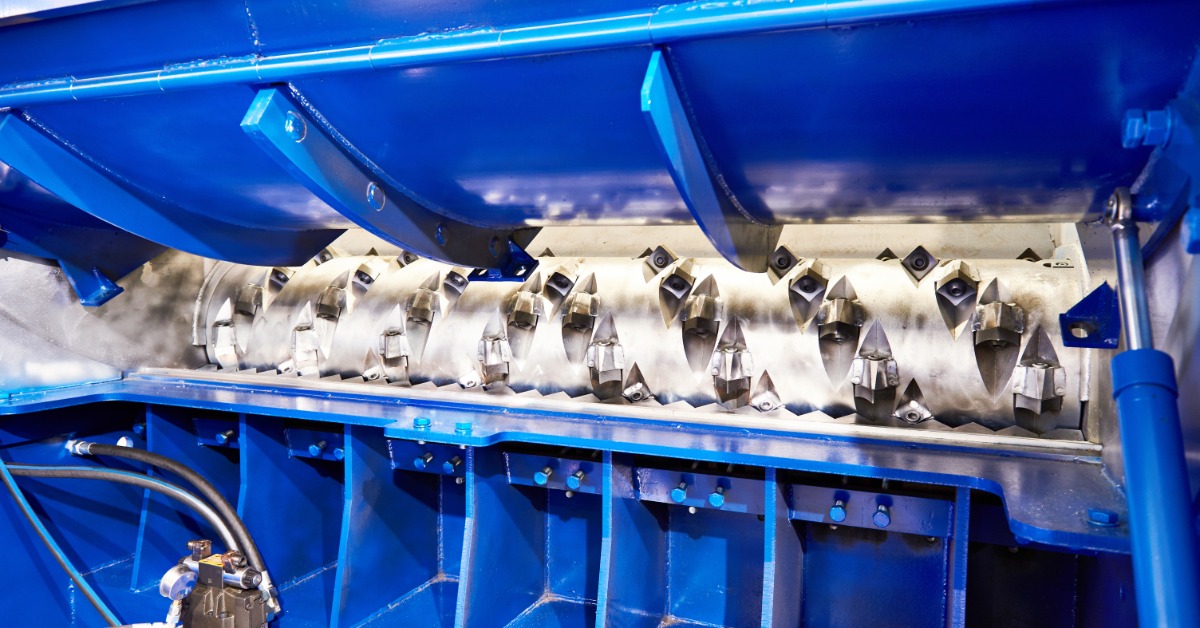
Years of product development can go into creating a design that sets a business apart from its competitors. But when outdated products or unused components are discarded, the information behind those innovations may still be accessible. Product destruction protects intellectual property by preventing unauthorized recovery or use of confidential features.
Identifies Products Containing Intellectual Property
Not every discarded product carries the same level of risk. Some contain unique designs or technical features that competitors could study and reproduce. Identifying these materials before disposal allows businesses to determine which items require controlled destruction rather than standard waste handling.
This review should include both finished products and individual parts that reveal how something was developed or manufactured. Even a damaged item may contain components or information that remain valuable. Businesses can reduce the risk of accidental exposure by establishing clear procedures for identifying sensitive materials before disposal.
Sensitive Components and Materials
Products containing intellectual property aren’t always easy to identify. Custom circuitry, specialized tooling, and proprietary mechanical components may reveal details about a company’s technology or manufacturing processes. Employees responsible for disposal should know which materials contain confidential features and how to handle them. Clear identification procedures also reduce the likelihood that sensitive products will end up mixed with ordinary waste.
Protects Trade Secrets and Proprietary Designs
Trade secrets can include confidential formulas or product specifications that give a company a competitive advantage. When products containing this information are discarded without proper safeguards, unauthorized parties may access details not intended for public use. Secure destruction reduces the possibility of that information being recovered from unwanted materials.
A physical product can reveal valuable details even without accompanying documentation. For example, a competitor might examine its construction to understand how a specialized component works or identify the materials used to manufacture it. In these cases, product destruction protects intellectual property by preventing others from examining and copying confidential designs.
Reverse Engineering Discarded Products
Reverse engineering involves examining an existing product to understand its design, construction, or operation. When discarded items remain intact, they may give someone an opportunity to study and replicate those features. Destroying sensitive components beyond practical reconstruction can limit what an unauthorized party could learn from them. Before disposal, businesses should consider whether their chosen destruction method adequately protects the specific features they want to keep confidential.
Safeguards Unreleased Products and Prototypes
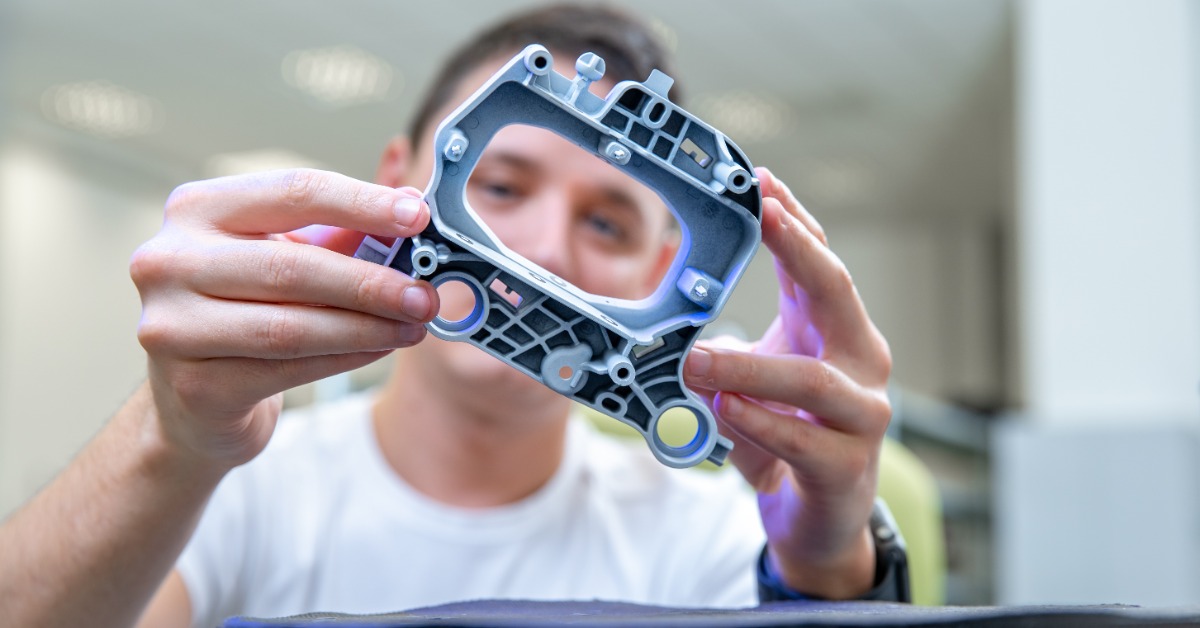
Products that haven’t reached the market may contain experimental designs or confidential details about upcoming releases. If these materials reach unauthorized parties, competitors could learn about new developments before a company is ready to announce them. Businesses can reduce this risk by keeping pre-release materials within a controlled disposal process.
Several types of pre-release materials may require secure destruction:
- Early prototypes reveal experimental designs or product features that are still being developed.
- Engineering samples contain technical specifications or design variations that competitors could examine.
- Rejected product versions expose alternative designs or manufacturing decisions made during development.
- Preproduction packaging may disclose unreleased branding, product specifications, or marketing details.
- Testing materials can contain information about product performance, construction, or development changes.
Prevents Counterfeiting and Unauthorized Resale
Discarded products can create opportunities for unauthorized resale when they remain functional or recognizable. Items removed from inventory because of defects or quality concerns may still appeal to third-party sellers. If these products reenter the market, customers might purchase them without knowing they weren’t approved for sale.
Counterfeiters may also use authentic discarded products as references for creating unauthorized copies. Original packaging and distinctive components can provide details that make imitations appear legitimate. Destroying these materials limits access to physical examples that could be used to reproduce a company’s products.
How Discarded Products Enter Secondary Markets
Unwanted products may pass through several handlers during collection, transportation, and disposal. Without adequate controls, items can be diverted before reaching their intended destination. Intact products may then appear through resale platforms or informal marketplaces. Keeping materials within a controlled disposal process reduces the chance of unwanted inventory reaching these channels.
Reduces Risks From Improper Disposal
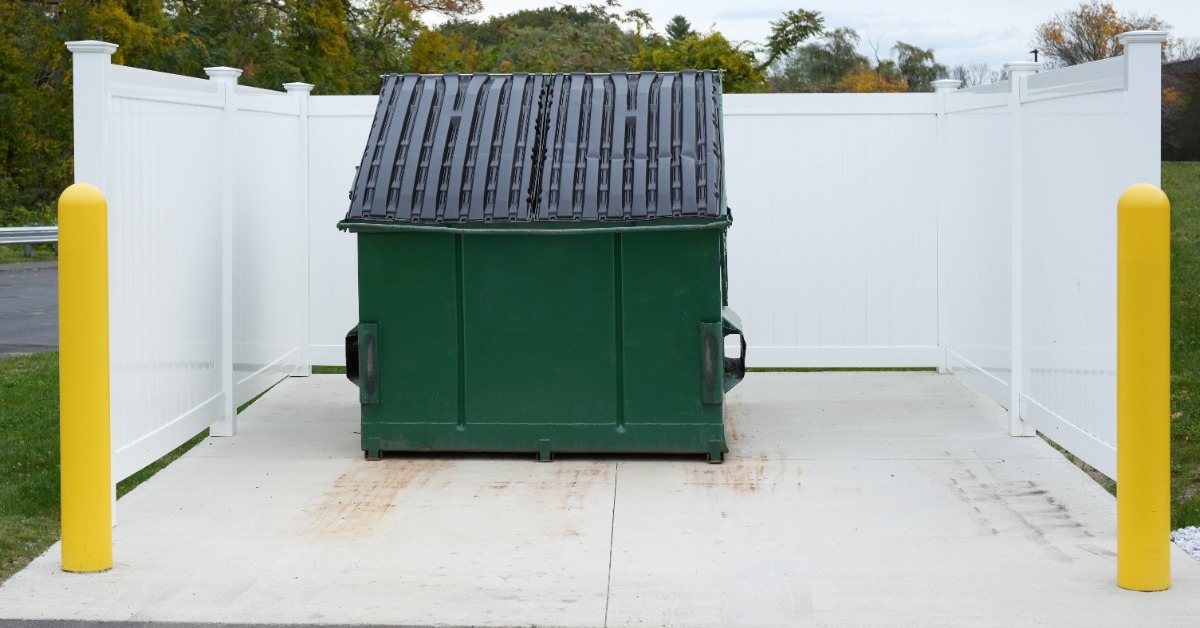
Even businesses with established inventory procedures can overlook security concerns when getting rid of unwanted products. Materials might be placed in unsecured storage areas or transferred to general waste containers without considering the information they contain. Employees who aren’t familiar with disposal requirements may also handle sensitive items incorrectly, leaving intellectual property exposed after the products have been removed from inventory.
Several common disposal mistakes can increase the risk of exposure:
- Placing sensitive products in general waste containers can make them accessible to unauthorized individuals.
- Storing discarded products in unsecured areas increases the risk of unauthorized access or removal.
- Mixing sensitive materials with ordinary waste can allow proprietary components to enter routine disposal streams.
- Damaging products without fully destroying them may leave recognizable designs or usable components intact.
- Failing to document disposal activities makes it difficult to verify which materials were destroyed and when.
Ensures Complete Destruction of Sensitive Materials
Removing a product from inventory doesn’t necessarily prevent someone from recovering its components or studying its design. Even cutting or disassembling an item may leave valuable information accessible if its sensitive features remain recognizable. Businesses should choose destruction methods based on the materials involved and how much information could still be recovered afterward.
The goal isn’t simply to change a product’s appearance, but to make protected features unusable and impractical to recover. Secure product destruction offers a controlled way to dispose of unwanted materials that could otherwise expose confidential information. Since products vary in construction and sensitivity, the destruction method should account for the components and features that need to be eliminated.
Why Standard Disposal Methods Fall Short
Ordinary trash collection is designed to remove waste, not protect confidential product designs. Recycling and general disposal processes may involve sorting or handling materials before they’re processed. During these stages, intact products or components could remain accessible to individuals who aren’t authorized to examine them. A destruction process suited to the materials’ sensitivity provides greater control over how they’re handled and prevents recoverable features from remaining in circulation.
Intellectual property can remain exposed long after a product is taken out of use. By identifying sensitive materials, preventing unauthorized resale, and choosing effective destruction methods, businesses can reduce the risk of valuable information reaching the wrong hands. At IntelliSHRED, we destroy products on-site, giving businesses greater control over the disposal process and assurance that sensitive materials have been securely destroyed. Contact us to discuss your disposal needs.