
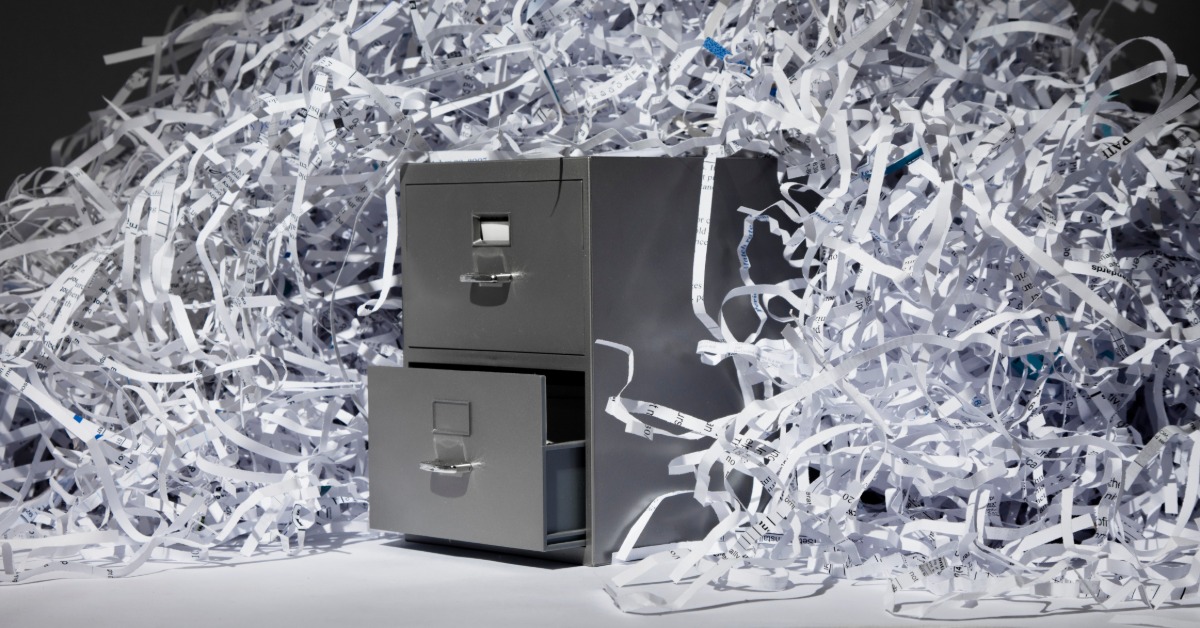
Paper records can pile up faster than expected. When documents aren’t destroyed promptly, they can crowd storage areas and leave sensitive information accessible for longer than necessary. On the other hand, overly frequent service may not match your volume. Choosing the right shredding schedule means paying attention to how quickly documents accumulate, how long they must be retained, and how securely they can be stored. A few practical considerations can make it easier to set a schedule that fits your business.
Assess Your Shredding Volume
An office that handles a steady flow of printed paperwork may fill secure containers quickly, while another may need several weeks to generate the same volume. Document volume can also shift throughout the year. Tax season, audits, hiring periods, major projects, and routine file cleanouts can all increase the amount of material ready for destruction. Accounting for these changes can help you avoid overloaded containers during busier periods.
Instead of estimating based on office size, track how quickly your shredding containers fill during a typical week or month. Pay attention to whether they regularly reach capacity before service day or remain mostly empty when they’re collected. Monitoring these patterns over several service cycles can show whether you need to adjust your service frequency. It can also reveal predictable periods when an extra visit may be useful.
Identify Your Document Types
Not every document follows the same path from creation to destruction. Some records are only needed for a short time, while others must remain accessible for business, legal, financial, or operational reasons. Sorting materials by type makes it easier to understand what regularly enters the shredding stream and when those documents are likely to become eligible for destruction.
Common records businesses may place into a secure destruction process include:
- employee and personnel paperwork
- customer or client records
- financial and accounting documents
- internal reports and correspondence
- printed forms with confidential information
- outdated copies and duplicate records
Review Record Retention Requirements

Before deciding how often to destroy documents, determine how long different records must be kept. Retention periods can vary by record type, internal policies, contracts, and any requirements that apply to the organization.
This distinction also gives employees clearer guidance on what belongs in secure storage and what can move toward destruction. Records that are still within their required retention period should remain in the appropriate filing system. Once they’re cleared for disposal, they can be transferred into secure shredding containers.
Set Regular Record Review Dates
Retention requirements tell you how long records must stay on file, but they don’t automatically determine when employees should review them for destruction. Setting regular review dates creates a consistent process for identifying records that have reached the end of their required retention period. Once those records are separated from active files, you can choose the right shredding schedule for your business based on how often eligible material accumulates. This also reduces the chance that outdated records remain in storage simply because no one has reviewed them.
Evaluate Secure Storage Capacity
Documents waiting for destruction must remain protected. If your business has limited space for locked shredding containers, long gaps between service visits can lead to overflowing receptacles or paperwork being placed in less controlled areas.
Container placement matters, too. Employees should be able to access secure receptacles easily enough to use them consistently without creating temporary piles elsewhere. If containers fill faster than expected, increasing service frequency may make more sense than relying on overflow storage.
Avoid Overfilled Shredding Containers
A container that’s regularly full before service day strongly suggests the current interval may be too long. Employees shouldn’t have to squeeze additional paperwork into an already crowded receptacle or leave sensitive documents beside it. Tracking how often this occurs can show whether you need another container, a different placement, or more frequent service. Ideally, your setup should provide enough secure capacity to handle normal document flow between visits.
Consider Your Security Risks

The longer sensitive documents remain in the workplace, the longer that information stays in circulation. Businesses that handle confidential records frequently may benefit from shorter intervals between shredding visits, especially when secure storage is limited. Reviewing where documents are stored and who can access those areas can help you determine whether your current schedule provides enough control.
Several conditions suggest that you should consider more frequent shredding:
- Secure containers regularly reach capacity.
- Sensitive documents accumulate quickly.
- Multiple employees share document storage areas.
- Temporary paperwork often remains near workstations.
- Secure storage space is limited.
- Large cleanouts create sudden increases in volume.
Choose the Right Service Frequency
Once you understand your document volume, retention timing, storage capacity, and security needs, you can turn those factors into a practical service schedule. It’s also worth considering how destruction fits into your everyday workflows. A predictable schedule gives employees a clearer idea of when materials will be removed and reduces the need to arrange service only after containers become full. If keeping documents on-site until the moment of destruction is a priority for your business, use an on-site shredding service.
Compare Weekly, Monthly, and Custom Schedules
Weekly service may suit businesses that produce large amounts of confidential paper or fill containers quickly. Monthly service can work well when document generation is steadier and secure storage remains comfortably within capacity between visits. Some organizations may need a custom schedule based on seasonal workloads, office size, or changes in record volume.
Account for Business Changes
A shredding schedule that works now may not continue to fit as your organization changes. Adding employees, expanding office space, taking on more clients, or increasing paper-based processes can all raise the amount of material that eventually needs to be destroyed. The opposite can happen as well. If your business becomes more digital or departments rely less on printed records, containers may take longer to fill. In that case, you may need to reduce service frequency.
The right shredding frequency depends on your document volume, retention requirements, storage capacity, and security priorities. Those factors can shift over time, so you should periodically review your service schedule. With the right schedule in place, your business can manage confidential records more consistently from everyday use through final destruction.