

Sensitive records rarely become risky all at once. The risk builds as documents pile up in storage rooms, file cabinets, and shared work areas. Without a clear routine, employees may keep materials too long or make disposal decisions without enough guidance. That is why businesses need to create a destruction schedule that actually works instead of relying on occasional cleanouts.
A practical schedule helps your team protect confidential information before it becomes a liability. It also reduces clutter, supports compliance goals, and gives employees a clear process to follow. When paired with mobile document shredding services, a destruction schedule can become part of normal operations instead of a project your team keeps postponing.
Why a Destruction Schedule Matters
Many businesses handle document destruction only when storage runs out. That approach creates unnecessary exposure. The longer sensitive materials sit around, the more opportunities there are for misplaced files, unauthorized access, or inconsistent handling.
A destruction schedule gives your organization a predictable rhythm. Instead of asking employees to decide when documents should be destroyed, your team follows a defined process.
Regular destruction also helps businesses avoid large backlogs. A schedule keeps the workload manageable and helps your team stay organized.
Start With the Records Your Business Handles Most
A strong schedule begins with a clear understanding of what your business needs to destroy. Most companies handle more confidential material than they realize. Sensitive information can appear in printed emails, invoices, client files, HR documents, meeting notes, contracts, and outdated forms.
Start by identifying the records that move through your organization most often. This review helps you design a schedule around actual workflows instead of assumptions.
Your team should also consider how long different records need to stay on file. Some documents may lose their value quickly and should not sit in open storage once the business no longer needs them.
Common materials to review include:
- Employee records and internal forms
- Customer files and billing documents
- Contracts, reports, and printed communications
The goal is to understand what exists, where it goes, and when it should leave your control through secure destruction.

Match Destruction Frequency to Real Risk
Not every business needs the same shredding schedule. Some organizations generate high volumes of confidential paperwork every week. Others only need periodic service because their document flow moves more slowly.
The right frequency depends on how quickly sensitive materials accumulate. If employees fill secure containers often, waiting too long can create overflow and frustration. If documents sit for months before shredding, the business may increase exposure without gaining any real benefit.
A good schedule should feel routine, not reactive. Weekly, biweekly, monthly, or on-call service may all make sense depending on the company’s needs. The key is to choose a cadence that keeps confidential materials from building up while still fitting the workplace.
Mobile document shredding services can make this easier by bringing the shredding process directly to your location. Instead of coordinating transport or sending materials away, your team can keep the process visible and efficient.
Build the Schedule Around Employee Behavior
Even the best policy can fail if employees find it confusing or inconvenient. A destruction schedule works best when it supports how people already move through the workday. If the process feels simple, employees are more likely to follow it.
Place secure collection containers where sensitive documents naturally collect. This may include copy rooms, administrative areas, accounting departments, or shared office spaces. Employees should not have to guess where confidential paperwork belongs.
Clear communication also matters. Your team should know what goes into secure containers, what should stay on file, and who to ask when they feel unsure. Simple instructions can reduce mistakes and improve participation across the company.
To make the schedule easier to follow, focus on habits employees can repeat:
- Place sensitive documents in secure containers immediately
- Avoid leaving confidential paperwork on desks or printers
- Follow the same process across departments
When employees understand the system, destruction becomes a normal part of information management. This reduces the need for rushed cleanouts or massive consolidated efforts.
Choose On-Site Shredding for Better Visibility
A destruction schedule should give your business confidence, not create new uncertainty. On-site shredding supports that goal by allowing materials to be destroyed at your location. This limits unnecessary handling and keeps the process transparent.
With mobile service, shredding trucks arrive at your business and destroy materials on location. Employees can witness the process, which confirms that confidential information does not leave the site intact. This visibility helps businesses trust their destruction procedures.
On-site service also simplifies scheduling. When a provider arrives on a defined cadence, your team can plan around the visit and prevent sensitive documents from sitting in storage too long.
Plan for Cleanouts Without Losing Control
A regular schedule manages ongoing document flow, but businesses may still need occasional cleanouts. Offices can accumulate old records during relocations, department changes, policy updates, or file room reviews. These projects can create a large volume of material that does not fit the usual schedule.
Planning for cleanouts keeps these events from disrupting your process. Instead of asking employees to handle everything internally, your business can schedule additional destruction service when needed. This prevents boxes of sensitive records from sitting in hallways, closets, or unsecured storage areas.
A cleanout should still follow the same security expectations as your regular schedule. Employees should sort records according to internal guidelines, and the destruction provider should handle approved materials through a clear, verifiable process.
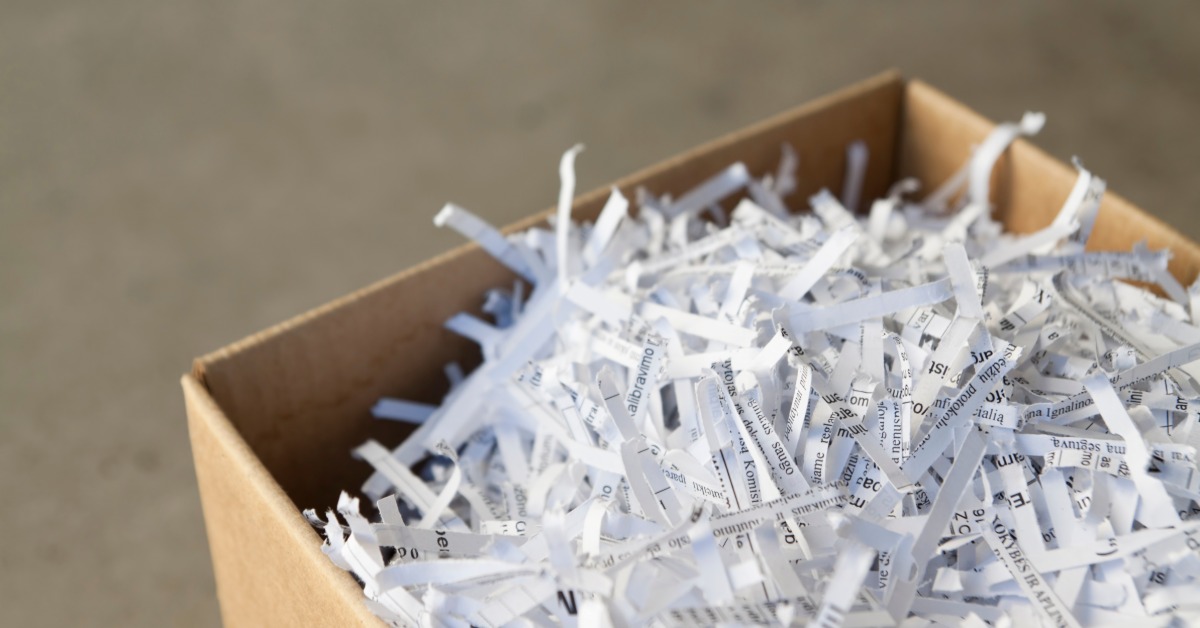
Keep Documentation Part of the Routine
A destruction schedule works better when your business can verify what happened. Documentation supports accountability and helps teams show that they followed a defined process. This can matter during audits, internal reviews, or customer conversations about privacy practices.
Certificates of destruction can provide proof that materials were securely destroyed. These records help your business maintain a paper trail without forcing employees to track every detail manually.
Keep destruction records organized and accessible to the people who need them. This simple practice can make compliance conversations much easier.
Make Secure Destruction Easy To Maintain
The best destruction schedules are practical. They create a simple routine that supports security every service cycle.
Mobile document shredding services can help businesses maintain that routine with less disruption. By bringing secure destruction directly to your location, they make it easier to protect information while giving your team visibility into the process.
A Smarter Routine for Safer Records
Businesses do not need to wait for overflowing file rooms or compliance concerns to take action. A reliable destruction schedule helps teams manage sensitive records before they create unnecessary risk. It also gives employees a clear process that supports better habits across the workplace.
When organizations create a destruction schedule that actually works, they protect confidential information, reduce clutter, and strengthen accountability. IntelliSHRED can help your business build that routine through dependable on-site shredding services that bring secure destruction directly to your location. Contact us today to schedule a service and create a process we can help your team maintain.