
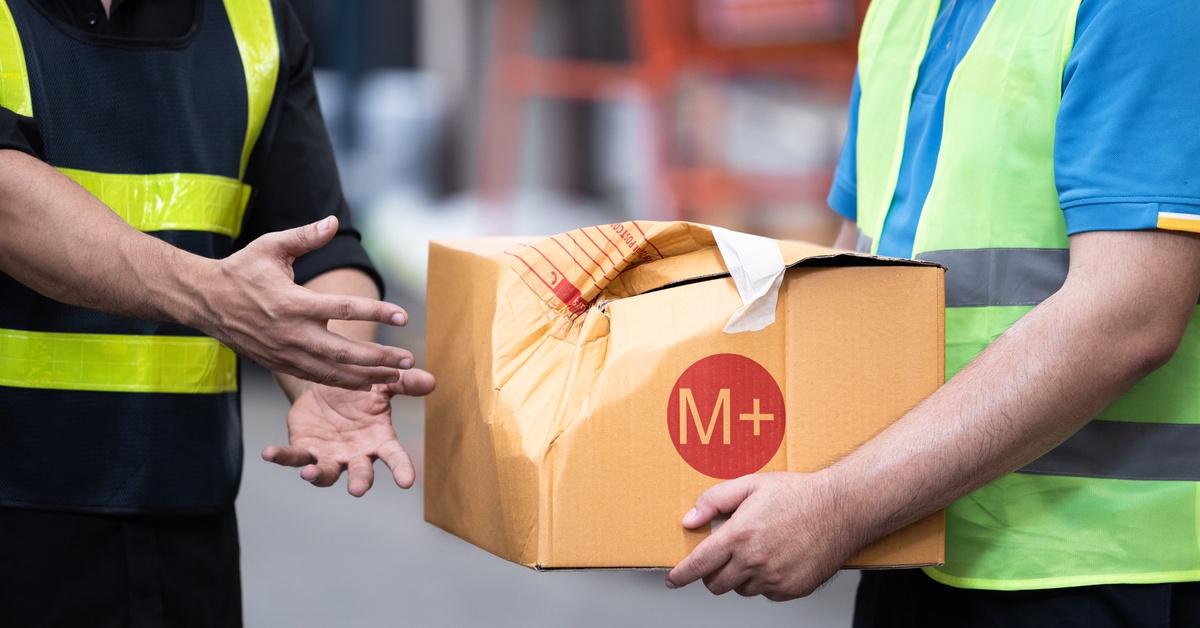
Every business, from retail to manufacturing, eventually faces a common problem—unsellable goods. Damaged inventory, expired products, misbranded packaging, or customer returns can’t always return to the supply chain. Without proper disposal or repurposing, these items can become a financial burden or, worse, a legal and reputational risk. Business owners must safely manage unsellable goods and mitigate their risks in ways that protect brand integrity, ensure compliance, and reduce unnecessary loss.
Effective strategies vary by industry, but the goal remains the same: minimize exposure while maintaining responsible practices. No matter what state you’re operating from, proper handling starts with the right process and trusted partners.
Identify What Makes Goods Unsellable
Not all unusable inventory is equal. Categorizing items accurately helps determine your next steps.
Damaged or Defective Products
Manufacturing flaws, broken seals, or shipping damage can render goods unsafe or unfit for sale. These items may need secure destruction to prevent them from reentering the market.
Expired or Obsolete Inventory
Food, pharmaceuticals, and beauty products all have strict expiration requirements. Holding expired stock can trigger regulatory violations and endanger public safety.
Recalled Items
If a product is no longer on the market for safety or legal reasons, businesses must prove its disposal. Mishandled recalls can bring major liability risks.
Branded Merchandise or Prototypes
Items with logos, trade dress, or intellectual property can’t always go directly into the trash. Improper disposal can lead to counterfeit risks or brand misuse.

Assess the Risks of Poor Disposal
Skipping due diligence with unsellable inventory can come back to hurt your business in more ways than one.
Legal and Regulatory Compliance
Federal and state laws often mandate how you must handle certain goods—especially pharmaceuticals, food, or electronics. Ignoring those guidelines can lead to fines or criminal penalties.
Brand Reputation and Counterfeit Risk
Branded products found in landfills, flea markets, or unauthorized resale channels create consumer mistrust. Counterfeiters look for improperly discarded items they can repackage or misuse.
Environmental Responsibility
Improper disposal of electronics, chemicals, or packaging contributes to pollution. Consumers and regulators are increasingly focused on a company’s sustainability footprint.
Operational Costs
Warehousing unusable inventory eats up storage space and labor. Timely and secure disposal prevents cost creep and keeps operations lean.
Create a Risk-Reduction Strategy
Planning ahead gives your business the tools to deal with unsellable goods before they pile up.
Develop a Clear Internal Policy
Create guidelines that define when a product becomes unsellable and outline next steps. Ensure team members across departments understand the process.
Schedule Regular Inventory Audits
Frequent stock reviews help catch aging or at-risk inventory before it becomes a liability. This supports better forecasting and minimizes product waste.
Work With Certified Disposal Partners
Not all disposal services offer the same level of compliance or confidentiality. Look for partners experienced in handling sensitive or branded goods.
Train Your Team on Chain of Custody
Track unsellable goods from the moment they’re flagged through to final disposal. Proper documentation reduces liability and ensures proof of compliance.
Choose the Right Disposal Method
The method you choose depends on the type of product and the level of risk involved.
Product Shredding and Destruction
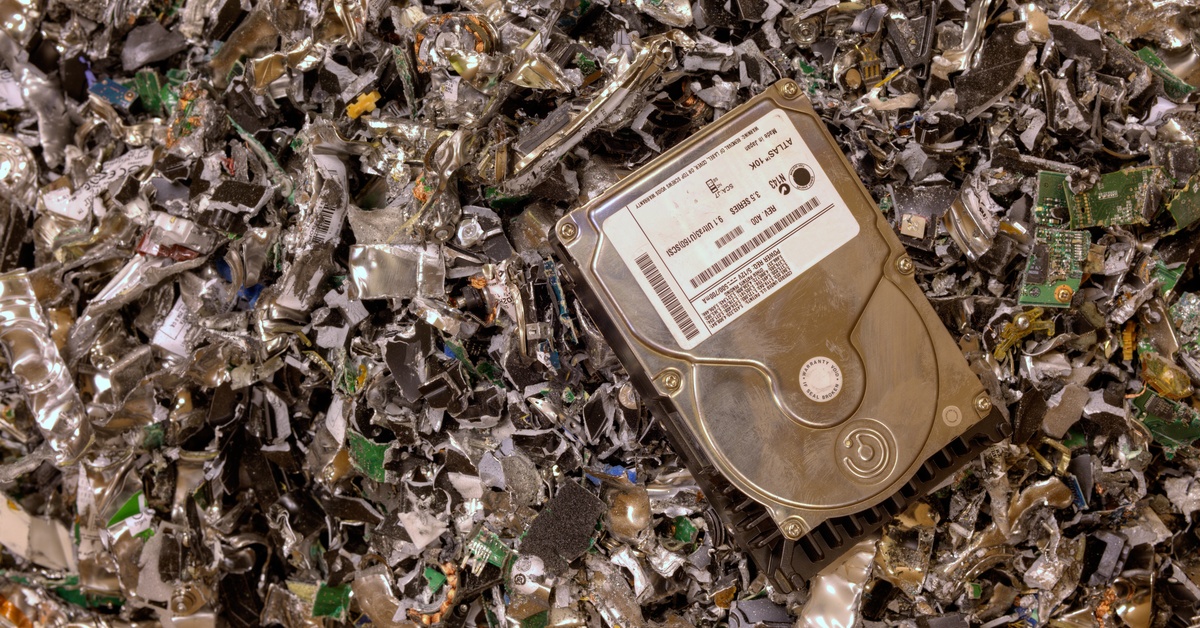
This is the most secure option for branded, recalled, or counterfeit-prone goods. If you need thorough, compliant product destruction, partner with IntelliShred to explore effective product shredding solutions that meet legal and brand protection needs.
Donation or Redistribution (When Safe)
Some goods—like undamaged clothing, furniture, or packaged foods—can be donated if safety standards and regulations allow. Always document donations for tax and tracking purposes.
Recycling or Repurposing
Electronics and packaging materials may qualify for certified recycling programs. This solution reduces environmental impact while minimizing disposal costs.
Return-to-Vendor Agreements
If suppliers allow it, unsellable goods may be returned for credit or replacement. Build strong vendor relationships to streamline these processes when needed.
Stay Compliant Across State Lines
Businesses operating in Pennsylvania, New Jersey, and New York must navigate different rules and environmental requirements. Regulations may vary depending on the product type and method of disposal.
New York
Strict e-waste and pharmaceutical disposal rules require businesses to work with licensed handlers. Missteps can result in hefty fines.
New Jersey
The state emphasizes sustainability and has detailed requirements around hazardous waste. Businesses must be especially careful with chemicals and packaging.
Pennsylvania
Rules around product disposal and donation vary in Pennsylvania, particularly in the food and beverage industries. Always consult with local compliance experts when handling expired or damaged inventory.
Mitigate Future Inventory Risk
Reducing the volume of unsellable goods starts long before disposal.
Improve Inventory Forecasting
Over-ordering leads to dead stock. Use software and sales trends to fine-tune purchasing decisions and avoid overstocking items with short shelf lives.
Design for Reusability or Longevity
Rethink packaging and product designs that lend themselves to recycling, resale, or repurposing.
Enhance Quality Control
Catch product defects early to prevent large batches of unusable goods. Train your team to flag potential issues before they escalate.
Audit Your Supply Chain
Weak links in your supply chain can result in inconsistent product quality or damage. Build strong relationships with reliable logistics and manufacturing partners.
Keep Stakeholders Informed
Clients, customers, and investors want transparency. Clear communication builds trust and reduces confusion.
Notify Customers When Issues Arise
Whether it’s a recall or stock issue, notify your customers immediately and outline how you intend to address the problem.
Document Everything Internally
Maintain a detailed paper trail, including photos, invoices, destruction certificates, and compliance reports. This careful documentation process protects your business in audits or legal challenges.
Report Results to Leadership
Show how your business is reducing waste and improving compliance. Strong reporting reinforces a culture of responsibility and efficiency.
Turning a Liability Into a Strategy
Efficient inventory management doesn’t end with selling a product—it includes how you deal with what can’t be sold. Businesses that safely manage unsellable goods and mitigate their risks protect more than just profits—they safeguard brand integrity, consumer trust, and long-term sustainability.
Now is the time to evaluate your unsellable goods strategy. Whether you’re facing recalls, damaged inventory, or expired stock, proactive steps matter.
Handle it smart, handle it securely—because even what you don’t sell still has the potential to speak for your brand.