
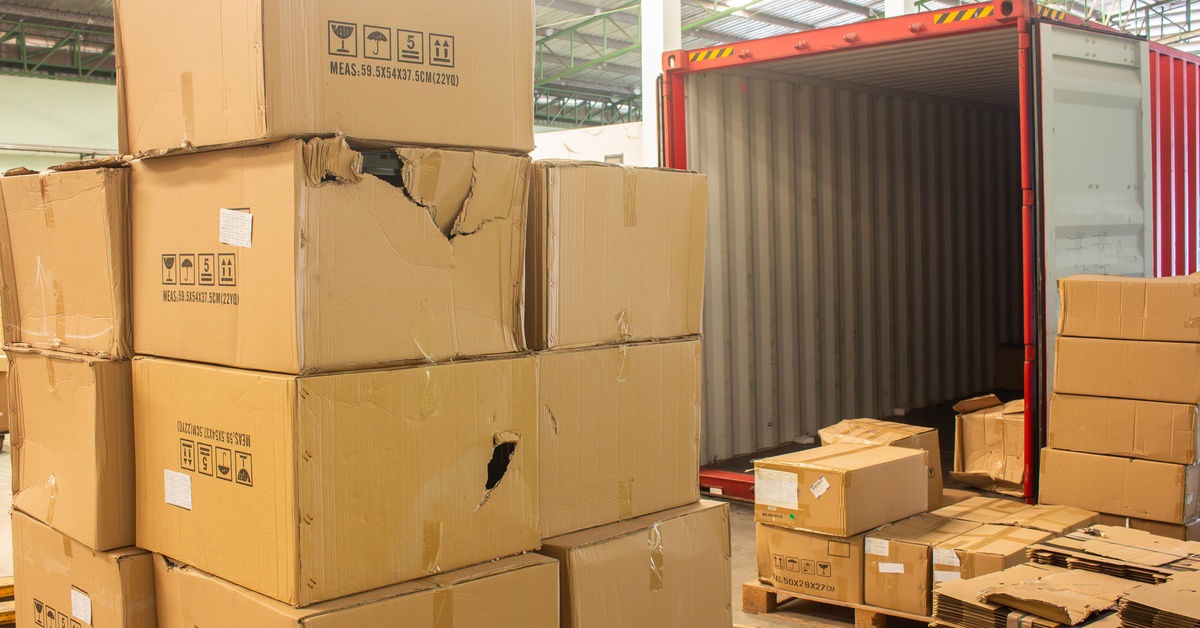
When your business needs to remove defective, expired, or recalled products from circulation, the risks can be significant. Improper disposal can expose your business to liability, compliance violations, and reputational damage. That’s why it’s essential to create a secure product destruction plan that protects your organization at every stage.
Whether you are managing a recall or clearing obsolete inventory, partnering with a professional product destruction company allows you to safely and transparently destroy materials. Below are the key steps businesses should follow to build a secure and reliable destruction process.
Why Product Destruction Matters
Product destruction is about more than discarding unwanted goods. It is about protecting your customers, your compliance standing, and your brand’s reputation.
If products re-enter the marketplace after being recalled or discontinued, the consequences can be severe. Businesses may face regulatory penalties, legal claims, and loss of customer trust.
A clear and structured plan reduces those risks while maintaining full accountability throughout the process.
Step 1: Identify What Needs To Be Destroyed
The first step is determining which products require destruction and why.
Common categories include:
- Recalled or non-compliant products
- Expired inventory
- Defective or damaged goods
- Counterfeit or unauthorized items
Accurate inventory documentation is critical. Record quantities, descriptions, and any identifying information to ensure nothing is overlooked. Proper documentation supports compliance and strengthens your internal controls.
Step 2: Review Compliance and Regulatory Requirements
Different industries are subject to different disposal regulations. Healthcare, food and beverage, retail, and manufacturing companies may all face unique guidelines.
Confirm any federal, state, or industry-specific requirements before scheduling destruction. Environmental considerations may also apply depending on the materials involved.
A knowledgeable product destruction company can help you navigate these requirements and ensure your destruction process aligns with applicable regulations.
Step 3: Select the Right Destruction Method
Not all products require the same destruction method. The level of risk and material type should guide your decision.
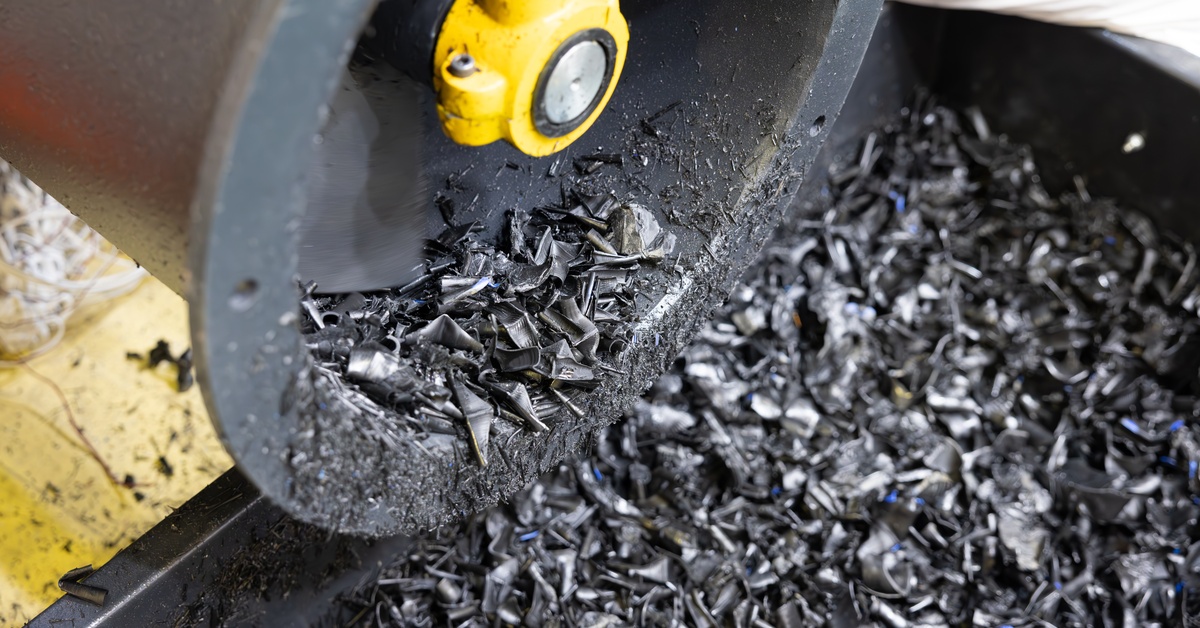
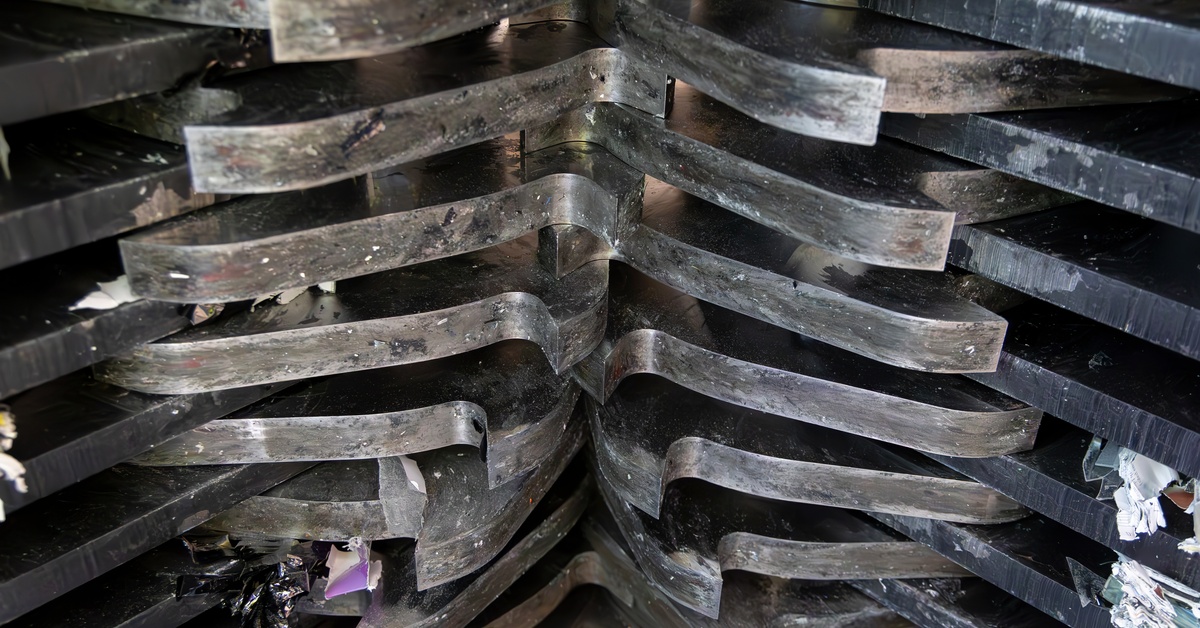
Secure methods may include shredding, crushing, dismantling, or other processes designed to render products completely unusable. The goal is to ensure others cannot resell, repurpose, or reconstruct the items.
For many businesses, on-site destruction offers added assurance. When a professional team destroys materials at your location, you can eliminate transportation risks and maintain full visibility throughout the process.
Step 4: Choose a Trusted Product Destruction Company
Selecting the right provider is one of the most important parts of your plan. A reputable product destruction company should prioritize security, transparency, and clear documentation.
Look for a provider that offers on-site destruction services so that your business can witness the process firsthand. Mobile destruction trucks reduce chain-of-custody risks by destroying materials at your facility as needed.
Step 5: Establish a Clear Chain of Custody
Chain of custody refers to the documented tracking of products from identification through final destruction. Without it, accountability is all but impossible.
Your plan should define who handles the products, how teams secure them prior to destruction, and how they verify destruction afterward. If transportation is necessary, it must be secure, and it’s necessary to document the full transportation process.
Clear tracking procedures protect your organization during audits or regulatory reviews. They also demonstrate responsible handling of sensitive materials.
Step 6: Promptly Schedule Destruction
Delays increase risk, especially during product recalls. The longer defective or non-compliant goods remain in storage, the greater the potential for loss, theft, or accidental redistribution.
Some businesses require one-time destruction events for large quantities of inventory. Others rely on recurring services to address obsolete products that accumulate at their location. Consider your business’ needs as you select a provider and schedule services.
Step 7: Witness the Destruction
One of the strongest safeguards in any destruction plan is the ability to witness the process. On-site destruction allows your team to observe materials being destroyed in real time.
This level of transparency eliminates uncertainty. It also ensures products are rendered completely unusable before leaving your property.
Witnessed destruction builds internal confidence and makes it easier to navigate any future questions or audits.
Step 8: Obtain Documentation and Certification
After destruction is complete, your provider should issue a certificate of destruction. This document confirms the date, method, and materials destroyed.
Maintaining certificates in your compliance records provides proof that products were disposed of responsibly. In regulated industries, this documentation is often essential.
Clear reporting from your product destruction company reinforces accountability and protects your organization.
Common Mistakes To Avoid
Even well-planned businesses can overlook key details. There are several common mistakes to avoid as you navigate the product destruction process. These include:
- Using unsecured disposal vendors that cannot verify destruction
- Failing to document the process or delaying destruction during recalls
- Transporting sensitive goods without proper oversight
Following a structured plan each time destruction is necessary will eliminate these vulnerabilities.
The Advantage of On-Site Destruction
On-site destruction provides an added layer of security and control. Instead of transporting products to an off-site facility, secure mobile trucks arrive at your location to complete the destruction immediately.
Benefits of on-site service include:
- Immediate destruction at your facility
- Reduced transportation risk
- Ability to witness the process
- Clear documentation and certification
Protecting Your Brand and Reputation
Your brand reputation is built on trust. Allowing defective or recalled products to resurface can quickly undermine that trust.
A well-structured destruction plan ensures products permanently exit circulation. It also demonstrates responsibility to customers, regulators, and stakeholders.
By partnering with an experienced product destruction company, you gain a secure and transparent process designed to reduce risk at every step.
Secure Your Process Today
Secure product destruction should never be an afterthought. Every organization that handles inventory, recalls, or proprietary goods must take proactive measures to minimize risk.
Now is the time to create a secure product destruction plan that protects your brand, maintains compliance, and provides documented proof of destruction. Working with a trusted product destruction company ensures materials are destroyed on-site, with full transparency and accountability.
If your business needs dependable, witnessed product destruction services, IntelliSHRED is ready to help. Contact our team today to request a quote and experience secure, on-site destruction designed to safeguard your organization.