
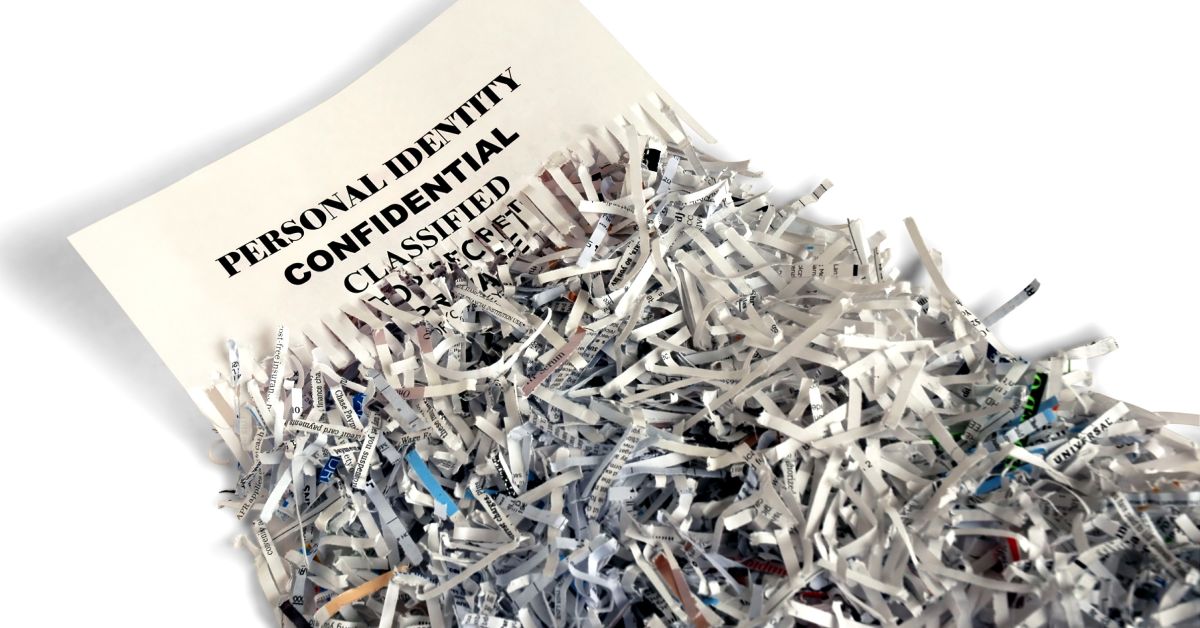
Legal professionals handle some of the most sensitive information in business. Between client records, case files, financial documents, and privileged communications, each piece of information could cause significant harm if it falls into the wrong hands. Yet many law firms still treat document disposal as an afterthought, tossing confidential papers into regular trash bins or storing outdated files indefinitely.
For organizations across the legal field, secure document shredding is a fundamental requirement for maintaining client trust and legal compliance. Here, we’ll explore the importance of document shredding for lawyers, from regulatory requirements to practical implementation strategies.
Legal Documents That Require Secure Destruction
Law firms generate numerous types of sensitive materials throughout their operations:
- Client-related documents include intake forms, contracts, correspondence, financial records, medical records, and case notes. These materials often contain personally identifiable information (PII) protected under various privacy laws.
- Internal firm documents such as employee records, payroll information, vendor contracts, and strategic planning materials also require careful handling. Even seemingly mundane documents like old calendars or phone logs can reveal sensitive client information.
- Court documents and legal research materials may contain confidential case strategies, witness information, or sealed court records that must be destroyed according to specific retention schedules.
In short, any document containing client information, attorney work product, or business-sensitive data should never be disposed of through regular waste channels.
Principle 1: Legal and Ethical Obligations to Protect Client Confidentiality
The foundation of secure document shredding lies in attorneys’ fundamental duty to protect client confidentiality. Model Rule 1.6 of Professional Conduct requires lawyers to maintain client confidence and secrets, not just during active representation but indefinitely.
State bar associations increasingly recognize that proper document destruction is part of maintaining confidentiality. Several states have issued ethics opinions specifically addressing lawyers’ obligations to securely destroy client information, with many requiring methods that render information “unreadable and undecipherable.”
Principle 2: Complying with Privacy Laws and Regulations
Legal practices must navigate a complex web of privacy regulations that govern how client information is handled and destroyed. The Health Insurance Portability and Accountability Act (HIPAA) applies to law firms handling medical information and outlines specific destruction methods and documentation.
State privacy laws add another layer of complexity. California’s Consumer Privacy Act (CCPA) and similar legislation in other states impose strict requirements on how personal information is collected, stored, and destroyed. Virginia’s new Consumer Data Protection Act and Colorado’s Privacy Act create additional compliance obligations for firms serving clients in those states.
Principle 3: Minimizing the Risk of Data Breaches and Identity Theft
Documents that are not disposed of properly create an easy target for identity thieves and corporate espionage. Dumpster diving remains a surprisingly common method for accessing sensitive information, particularly targeting professional service firms where valuable data is concentrated.
Business documents revealing merger plans, litigation strategies, or financial information could be invaluable to competitors or opposing parties. Secure shredding eliminates this vulnerability by rendering documents completely unreadable. Cross-cut shredders that create particles smaller than 5/32″ by 15/32″ meet most security standards, while industrial shredding services can achieve even higher levels of destruction.
Principle 4: Protecting Attorney-Client Privilege
Attorney-client privilege is one of the legal profession’s most sacred principles, but it can be waived through careless handling of privileged communications. Courts have found that failing to take reasonable steps to protect privileged documents, including proper disposal, can constitute a waiver of privilege.
This risk extends beyond the immediate client relationship. Opposing counsel who obtain privileged documents through inadequate disposal methods may be able to use that information to their advantage, potentially devastating a client’s case. These documents often reveal litigation strategies that could benefit opponents in current or future cases if not properly destroyed.
Principle 5: Maintaining a Professional Reputation
Legal practice depends heavily on reputation and client trust. News of a data breach or confidentiality violation spreads quickly through professional networks and can permanently damage a firm’s standing.
Clients expect their attorneys to handle sensitive information with the highest level of care. Learning that confidential documents were found in a law firm’s dumpster or were compromised due to inadequate disposal procedures can destroy client relationships and referral sources.
Principle 6: Efficient Use of Office Space
Law firms accumulate vast amounts of paper documents over time. Client files, correspondence, research materials, and administrative records can quickly overwhelm available storage space, creating both practical and security challenges.
Regular, systematic document shredding allows firms to maintain organized filing systems while reducing storage costs. Rather than renting additional office space or off-site storage facilities, firms can implement retention schedules that balance legal requirements with space efficiency.
Principle 7: Cost-Effectiveness of Outsourcing Shredding Services
While small firms might manage document destruction in-house, professional shredding services often provide better security and cost-effectiveness for larger volumes. These services offer several advantages over do-it-yourself shredding.
Professional services provide certificates of destruction that document compliance with privacy regulations. They use industrial-grade equipment that achieves higher security levels than office shredders. Many services also handle hard drives and electronic media that can’t be destroyed with conventional shredders.
Principle 8: Environmentally Responsible Disposal
Secure document shredding supports environmental sustainability goals by ensuring paper materials are properly recycled. Professional shredding services typically partner with recycling facilities to process shredded materials into new paper products.
This approach aligns with many firms’ corporate social responsibility initiatives while meeting security requirements. It also appeals to environmentally conscious clients who expect their service providers to demonstrate environmental stewardship.
Principle 9: Training Staff on Proper Shredding Procedures
Even the best policies fail without proper staff training. All personnel who handle confidential documents need clear guidance on what documents require secure destruction and how to implement shredding procedures. Regular training updates ensure that new privacy regulations and firm policies are properly communicated.
Training should cover document identification, retention schedules, and proper use of shredding equipment. Staff need to understand the difference between documents that can be recycled normally and those requiring secure destruction. Consider making document security training part of new employee orientation and annual continuing education requirements.
Principle 10: Regularly Updating Shredding Policies
Privacy laws and professional requirements evolve constantly, requiring regular review and updates of document destruction policies. What constituted adequate security five years ago may not meet current standards.
Annual policy reviews should consider new privacy regulations, changes in the client base, and emerging security threats. Technology changes also affect best practices. For example, the rise of remote work has created new challenges for maintaining document security outside traditional office environments.

Finding the Right Document Shredding Service
Selecting a professional shredding service requires careful evaluation of security practices, compliance capabilities, and service reliability. Look for providers certified under established security standards like NAID (National Association for Information Destruction) AAA certification.
Verify that the service provides certificates of destruction and maintains insurance coverage for potential security breaches. Ask about their employee screening procedures and facility security measures. Finally, consider the service’s ability to handle both regularly scheduled shredding and emergency destruction requests.
Build a Strong Information Security Foundation
Secure document shredding represents just one component of comprehensive information security for law firms. The approaches outlined here work best when integrated into a broader culture that prioritizes client confidentiality and data protection. Above all, don’t underestimate the importance of document shredding for lawyers.
As privacy laws continue to evolve and security threats multiply, proactive document destruction policies become increasingly essential for successful legal practice. With Intellishred, you won’t have to second-guess your disposal policies. Our mobile document destruction comes right to you, offering reduced risk, enhanced client trust, and peace of mind that sensitive information receives the protection it deserves.