
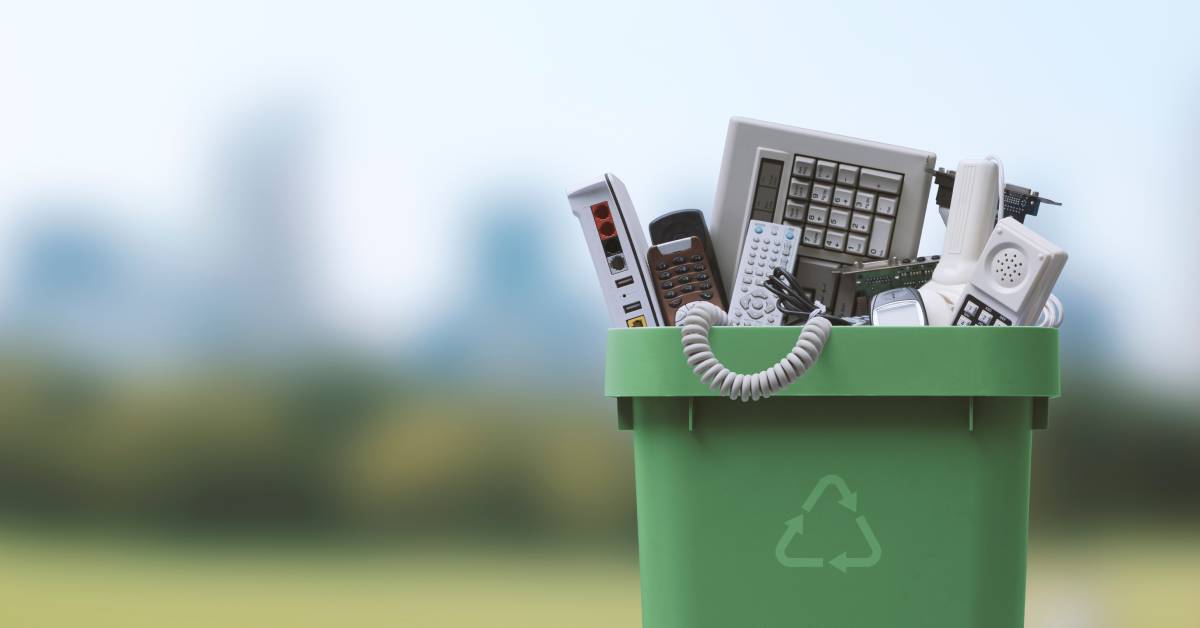
Electronic waste (e-waste) presents both environmental challenges and hidden opportunities. E-waste encompasses any discarded electrical or electronic device, from outdated smartphones cluttering desk drawers to entire server farms reaching end-of-life. These items contain valuable materials, such as gold, silver, and rare earth elements, but they also harbor hazardous substances such as lead, mercury, and cadmium.
The journey of e-waste from discard to renewal is a complex but fascinating process. It involves multiple stages, each requiring specialized expertise and technology to maximize recovery while minimizing environmental impact. Let’s explore how today’s businesses are working to transform yesterday’s technology into the new products of tomorrow.
Common Types of E-Waste
Understanding what qualifies as e-waste is essential before diving into the recycling process. Consider the following e-waste materials to determine what you can recycle in your home or business.
Old Computers and Laptops
These devices are among the most common types of e-waste, primarily due to the rapid advancements in technology that render older models obsolete. The gold, silver, and palladium they often contain make them both a recycling priority and a valuable resource.
Mobile Phones and Tablets
We discard millions of mobile phones and tablets each year, making them a significant contributor to e-waste. Their compact size belies the complexity of materials they contain, such as rare earth elements and reusable metals, which are essential for modern electronics.
Televisions and Monitors
CRT monitors are a major concern because they contain hazardous materials, such as lead, while flat-screen displays, though less toxic, often have valuable and recoverable components such as indium and aluminum.
Household Appliances
Households frequently discard refrigerators, washing machines, and microwaves with common trash items; however, these appliances often contain recyclable metals, electronic components, and toxic substances, such as refrigerants. Therefore, improper disposal can lead to environmental harm.
Batteries
Batteries comprise a notable portion of e-waste, from rechargeable lithium-ion batteries in phones and laptops to standard alkaline ones. Proper recycling is crucial to recover materials, such as cobalt and lithium, while preventing hazardous leaks.
Cables and Wires
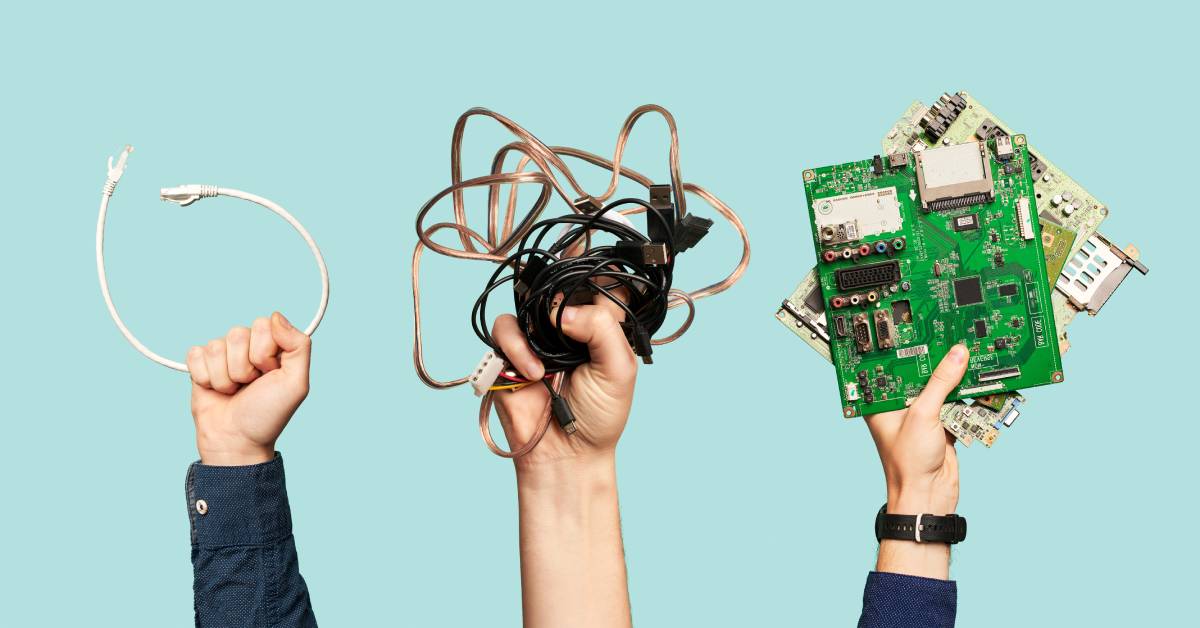
Cables and wires, including those made of copper or aluminum, contribute significantly to e-waste. Their high recyclability highlights the importance of recovering these materials instead of landfilling them.
How Companies Deal With E-Waste
While no two companies approach the problem the same way, the following basic steps offer a glimpse into e-waste management across sectors.
Step 1: Collection
The e-waste journey begins with collection, the foundation of any successful recycling program. Collection methods vary, from municipal pickup programs to manufacturer take-back initiatives and retailer drop-off points.
Specialized e-waste collection services transport materials using vehicles equipped to handle electronic equipment safely. During transport, these services secure the items to prevent damage that could release hazardous materials. Professional collectors maintain chain-of-custody documentation, ensuring accountability throughout the process.
Step 2: Sorting
Once collected, e-waste arrives at processing facilities where sorting begins. Workers and automated systems categorize items based on type, size, and material composition. This initial sorting determines the most appropriate processing path for each item.
Advanced facilities use optical scanners and magnetic separators to identify different materials automatically. Manual sorting remains essential for complex items requiring human judgment to identify valuable components or hazardous materials.
Step 3: Dismantling
Dismantling represents the most labor-intensive phase of e-waste processing. Trained technicians carefully disassemble electronic devices, separating different materials and components. This process requires extensive knowledge of electronic construction and safety protocols.
Workers remove batteries, circuit boards, cables, and other components by hand. Power tools can help them disassemble larger items, but precision remains crucial to avoid damaging valuable materials or releasing hazardous substances.
Step 4: Material Recovery
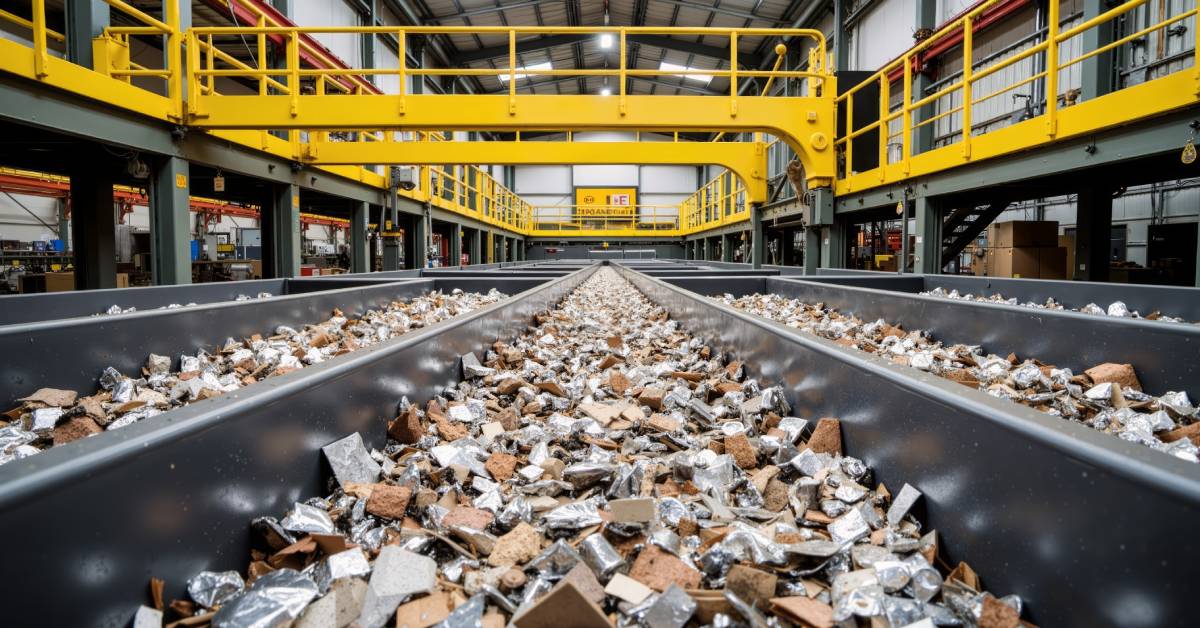
Material recovery focuses on extracting valuable elements from dismantled components. Circuit boards contain gold, silver, and palladium, while wiring provides copper and aluminum. Rare earth elements used in magnets and displays represent another valuable recovery target.
The mechanical shredding, crushing, and screening processes separate different materials by size and density. Magnetic separation removes ferrous metals, while eddy current separators extract non-ferrous metals, such as aluminum and copper.
Step 5: Purification
Purification transforms recovered materials into high-quality inputs for manufacturing. This process removes impurities and contaminants that could affect the performance of new products. Different materials require specific purification techniques.
Precious metals undergo electrorefining, where electrical current separates pure metals from solutions containing multiple elements. Plastic purification involves washing, melting, and filtering to remove additives and contaminants.
Step 6: Reuse
Reuse represents the highest value recovery option, giving functional components a second life in new applications. This approach conserves resources and energy while reducing the need for new manufacturing.
Refurbishment programs restore electronic devices to working condition through cleaning, repairing, and testing. Refurbished equipment often serves markets where cost considerations outweigh the need for the latest technology.
Step 7: Recycling
Recycling processes materials that we cannot reuse directly, transforming them into raw materials for new products. This step typically involves melting metals and reformulating plastics to create manufacturing inputs.
Smelting operations melt recovered metals at high temperatures, separating different elements based on their physical properties. Plastic recycling involves shredding, melting, and pelletizing processes that create new raw materials. While recycled items may not match the properties of virgin materials, they prove suitable for many applications.
Step 8: Disposal
Despite best efforts at recovery, some e-waste materials cannot be economically recycled or reused. Proper disposal of these residual materials prevents environmental contamination while complying with regulatory requirements.
Hazardous materials require specialized disposal at licensed facilities equipped to handle toxic substances safely. These facilities use secure landfills, incineration, or chemical treatment to neutralize environmental threats.
Step 9: Compliance
Regulatory compliance governs every aspect of e-waste processing, from collection through final disposal. Regulations vary by jurisdiction but generally focus on environmental protection and worker safety.
In the United States, the Resource Conservation and Recovery Act (RCRA) regulates hazardous waste management, while individual states maintain additional e-waste regulations. Compliance documentation tracks materials throughout the recycling process, providing proof of proper handling for regulatory authorities and customers.
Step 10: Innovation
Innovation continues to transform e-waste recycling, with new technologies improving recovery rates and reducing environmental impact. Research focuses on more efficient separation techniques, better material recovery methods, and expanded recycling capabilities.
Artificial intelligence and machine learning optimize sorting processes, identifying valuable materials more accurately than traditional methods. Robotics automates dangerous or repetitive tasks, improving worker safety while increasing processing efficiency. Biotechnology explores using microorganisms to extract metals from e-waste, potentially offering more environmentally friendly alternatives to chemical processing.
The Importance of Reliable Third-Party E-Waste Partners
Reliable partners bring expertise, technology, and compliance knowledge that individual organizations often lack. Certified recyclers maintain proper licenses, insurance, and facilities to handle e-waste safely.
They provide documentation proving proper disposal, protecting customers from potential environmental liability. Many offer additional services such as data destruction, asset recovery, and logistics management.
Transforming Waste Into Opportunity
The journey of e-waste from discard to material renewal demonstrates how proper recycling transforms environmental challenges into economic opportunities. Each step in this process requires specialized knowledge, appropriate technology, and commitment to environmental responsibility.
If you want to partner with certified recyclers, Intellishred is here with the knowledge and expertise to implement comprehensive collection programs. Secure file destruction should never be a second thought for any business. The journey begins with a single step: The decision to manage e-waste responsibly.