
Products that can’t go to market shouldn’t end up in the wrong hands. Whether you manage a retail brand, a pharma line, or a tech portfolio, mismanaged inventory has the potential to create legal, financial, and reputational risk. You need a predictable, auditable way to remove defective, expired, or sensitive items from circulation.
This guide explains how professional product destruction services work, when to use them, and how to choose a partner you can trust. If you’re evaluating product destruction for your business, this playbook covers every step from risk to resolution.
What Is Product Destruction?
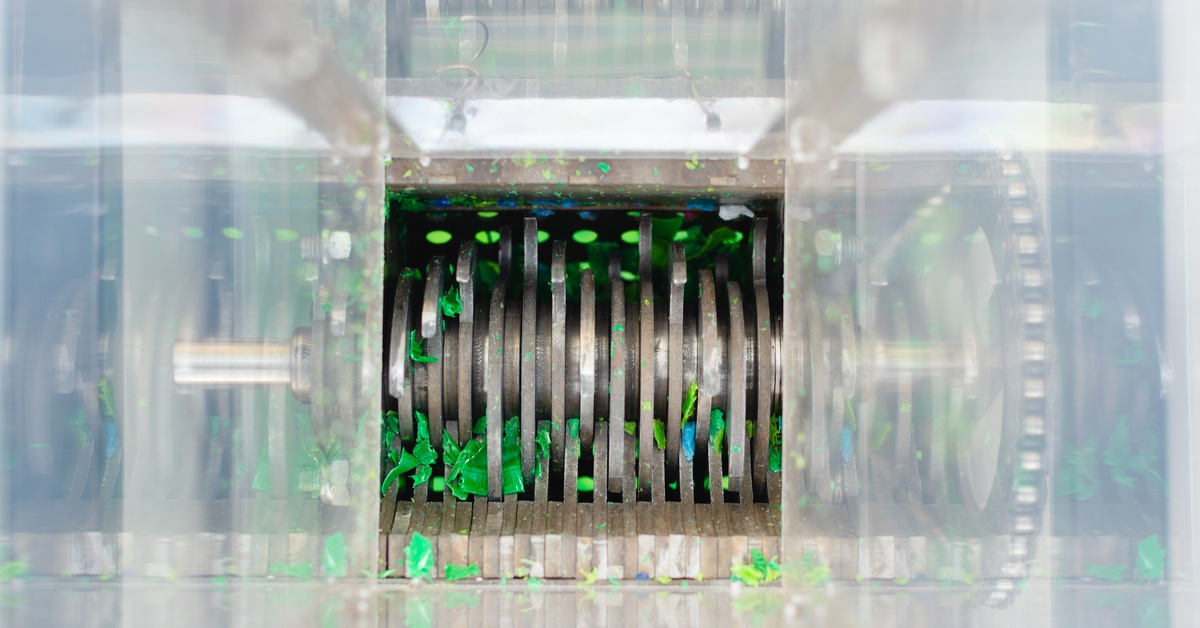
Product destruction is the controlled, documented elimination of goods that cannot be sold, redistributed, or safely stored. It goes far beyond throwing items away. Providers use methods like shredding, crushing, pulverizing, or certified incineration to fully render items unusable and unrecognizable. True destruction programs include secure handling, a documented chain of custody, and a Certificate of Destruction.
This approach protects intellectual property, preserves market value, and proves compliance with regulations and refund requirements. Leading vendors also prioritize sustainability by recycling eligible materials after destruction.
Why Is Product Destruction Important?
Compliance With Regulations
Federal, state, and industry rules govern how certain items must be handled at end of life. Pharmaceuticals, food products, electronics, and hazardous components carry strict guidelines. Documented destruction helps your business avoid fines, sanctions, and audit headaches.
Brand Protection
Brands can lose public trust when rejected items surface in secondary markets or landfills. Controlled destruction prevents unauthorized resale, eliminates embarrassing finds, and signals a serious commitment to quality and safety.
Counterfeit Prevention
Counterfeiters repurpose packaging, parts, and logos. Destroying goods and branded materials closes off a key raw material source for fakes and reduces channel fraud.
Consumer Protection
Defective or expired items can harm customers. Secure destruction ensures risky products never reenter circulation through dumpsters, returns fraud, or gray markets.
Environmental Responsibility
Sustainable practices matter to regulators and customers. Reputable providers separate recyclable materials, minimize landfill waste, and follow environmental standards during the process. Choosing responsible disposal routes can help your business meet any sustainability goals and ultimately improve customer perception of your brand.
Cost Savings
Idle space is expensive. Carrying obsolete or recalled inventory ties up working capital and storage, weighing down your business and creating costly inefficiencies that can have a ripple effect across your business. A proactive destruction plan reduces carrying costs and insurance exposure.
When Do You Need Product Destruction?
Damaged or Defective Products
Manufacturing issues, transit damage, or quality-control failures make items unfit for sale. Destruction stops those items from leaking into resale channels.
Expired or Obsolete Inventory
Shelf life can end, labeling can change, or redesigns can sideline inventory. Regularly eliminating outdated stock maintains pricing integrity and product safety.
Recalled Items
Regulators and customers expect evidence that recalled products are off the market. A Certificate of Destruction provides proof of responsible disposal.
Branded Merchandise or Prototypes
Logos, trade dress, and confidential designs carry lasting value. Securely destroying prototypes, samples, packaging, and displays protects intellectual property.
The Product Destruction Process
Assessment and Planning
Successful programs start with a risk assessment. It’s important to define what is necessary to destroy, identify legal or environmental requirements, and map locations, volumes, and timelines. A clear scope prevents gaps and delays.
Secure Collection and Transportation
Security begins at pickup. Providers use tamper-evident containers, sealed trucks, vetted personnel, and documented transfers. A continuous chain of custody ensures nothing falls through the cracks.
Destruction Methods
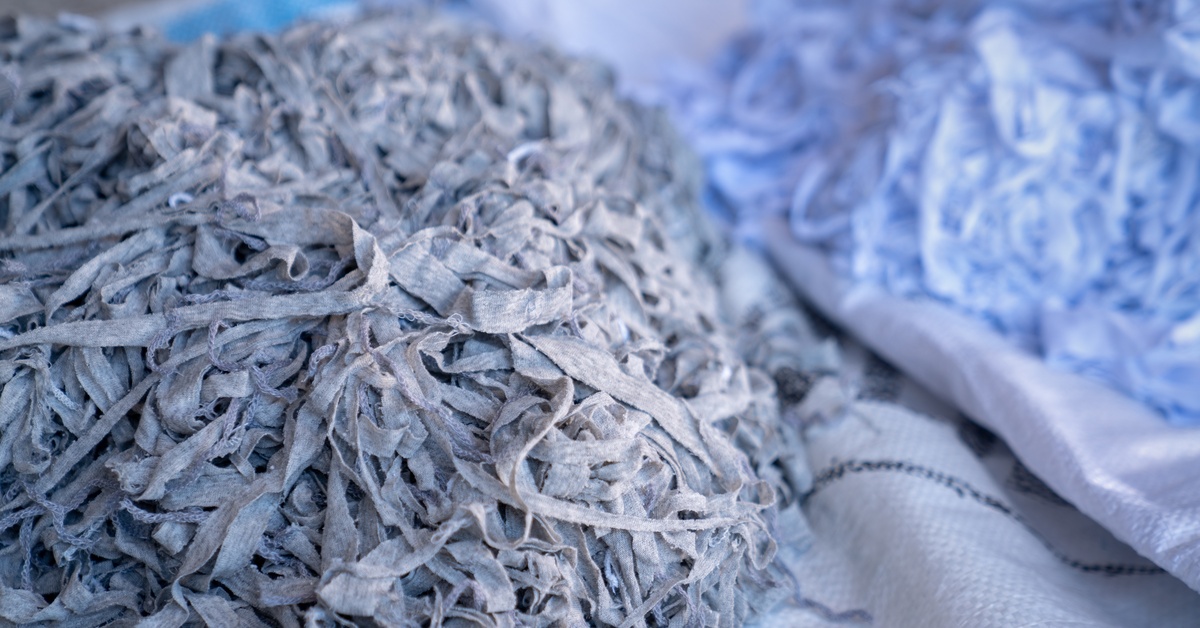
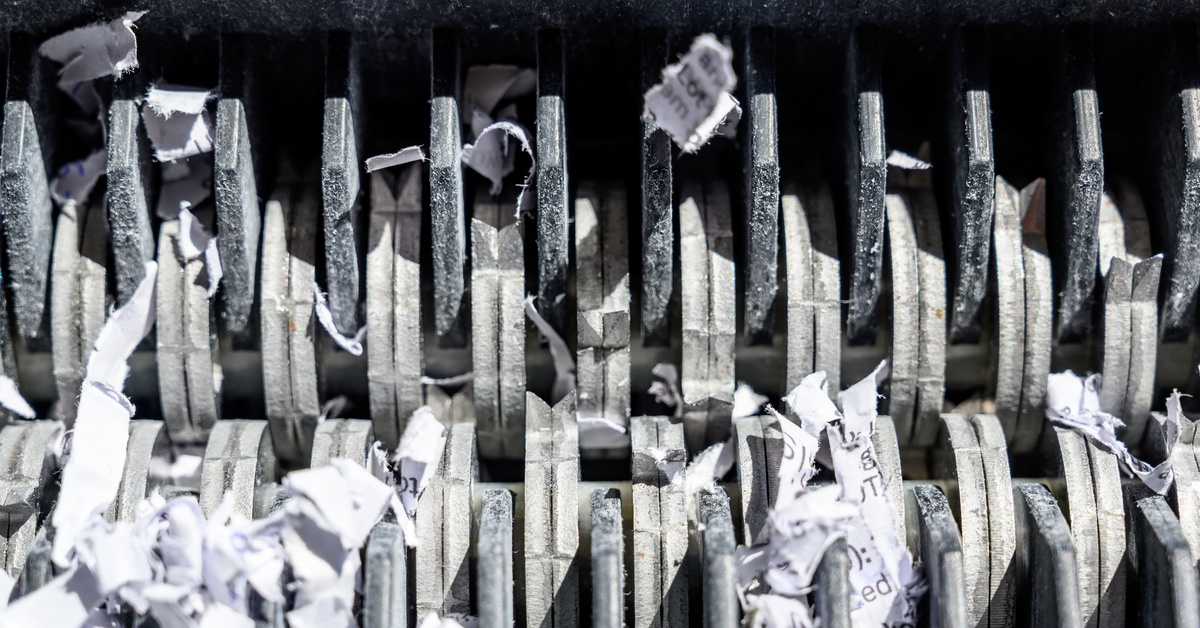
Shredding, crushing, disintegration, and certified incineration serve different risk profiles. It’s possible to shred items like electronics, textiles, packaging, and consumer goods on-site. However, more specialized materials may require controlled facilities with additional safety protocols.
Certification and Documentation
Proof matters. You should receive a signed Certificate of Destruction with date, location, method, and item categories. Detailed records support audits, tax write-offs, and Customs refunds when applicable.
Choosing a Product Destruction Partner
- Compliance and certifications: Look for providers with relevant licenses, insurance, and third-party certifications. Documentation should satisfy industry and state requirements.
- Security measures: Evaluate background-checked staff, GPS-tracked vehicles, video verification, and tamper-evident containers. Risk declines when controls are visible.
- Environmental practices: Ask how materials are recycled post-destruction and which environmental standards guide the process. Sustainability and security can coexist.
- Chain of custody: Require clear custody documentation from pickup through destruction. Each transfer should receive a form of verifiable documentation.
- On-site destruction: Witnessed destruction eliminates doubt. Mobile shredding trucks enable you to supervise the process and confirm completion in real time.
The Benefits of On-Site Product Destruction
On-site destruction offers unmatched visibility and control. Your team watches the product disappear before leaving your property, which eliminates anxiety about off-site handling. Real-time oversight reduces theft risk, prevents substitutions, and stops unauthorized salvage.
Speed improves as well. Mobile shredding units handle pallets of goods without added freight coordination. Many businesses also benefit from fewer chain-of-custody steps and faster documentation. Finally, a trustworthy provider issues the Certificate of Destruction immediately, helping you meet compliance or refund deadlines.
IntelliSHRED specializes in on-site destruction you can witness with your own eyes. Our process includes a well-documented chain of custody and a signed Certificate of Destruction at completion. By partnering with us, your team can avoid hidden freight fees and lengthy call-center runarounds—scheduling stays simple and pricing stays transparent.
Secure Product Destruction for your Business
Every business faces the issue of unsellable goods at some point. The difference between risk and resilience comes from your plan. A reliable program removes defective, expired, and sensitive items from the market, proves compliance, and protects your reputation. Strong policies, on-site options, and airtight documentation make that plan repeatable, ensuring your business is always ready.
If you need product destruction for your business, choose a partner that prioritizes security, visibility, and service. IntelliSHRED delivers on-site product destruction services with a clear chain of custody and a Certificate of Destruction for every job. Contact IntelliSHRED to schedule a walkthrough, request a quote, or arrange on-site destruction you can oversee. Your brand’s integrity is worth safeguarding—every single time.