
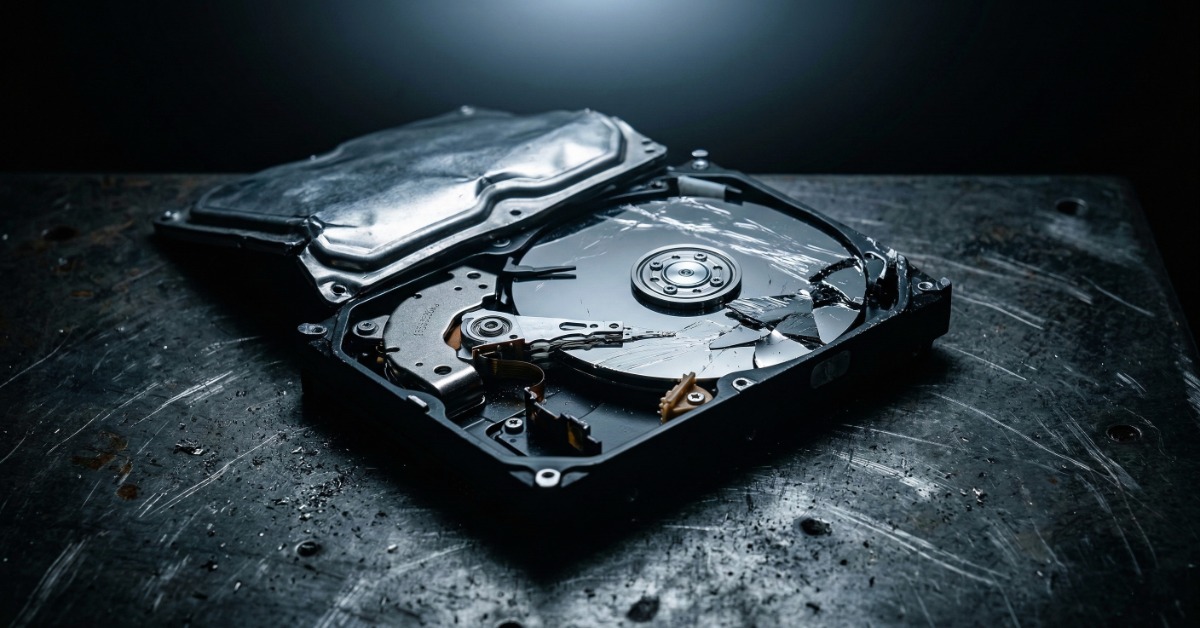
Every business has digital assets, and it’s very common to retire these assets as these businesses make upgrades or new investments. A retired laptop, server, or hard drive may look harmless on a shelf, but any information sitting on a device creates risk—and wiping these systems isn’t enough.
When digital assets aren’t properly destroyed, sensitive information may remain recoverable by people who should never have access to it. Customer records, employee files, financial details, account credentials, and internal documents can all stay on storage media unless the device is physically destroyed through a verified process.
Secure computer destruction helps businesses close that gap. Instead of relying on deletion, formatting, or storage closets full of unused equipment, organizations can use a controlled process that removes data from circulation permanently.
Retired Devices Can Still Hold Active Risk
Many businesses replace computers and servers on a regular cycle. The challenge begins when those assets are removed from service without a clear plan. Many teams choose to store old devices in an office, hand them off to a vendor, or send them for recycling without addressing the data.
All of these choices create exposure. Even if a device is no longer connected to your network, it may still contain information from years of business activity. Deleted files can often be recovered with specialized tools, and drives that appear wiped may still hold fragments of usable data.
Data Exposure Can Disrupt the Whole Business
Improper destruction creates a direct path to data exposure. A lost drive, resold device, or mishandled computer can reveal confidential information that was never meant to leave the organization.
Once that information is exposed, the business may need to respond quickly. Leadership may have to investigate what was lost, determine who was affected, and communicate with customers or partners. Even when the exposure is limited, the disruption can pull attention away from daily operations.

Deleting Files Does Not Eliminate the Problem
One of the most common mistakes businesses make is assuming deletion is enough. Sending files to the recycle bin, performing a factory reset, or reformatting a drive may remove visible access, but it does not always remove the underlying data.
Digital storage systems are designed to make information easy to save and retrieve. That convenience becomes a problem during disposal. Unless storage media is properly destroyed, information may remain accessible to someone with the right tools and knowledge.
Secure computer destruction avoids this uncertainty. Physical destruction damages the device or drive to such an extent that any stored information cannot be recovered through normal means. For businesses that cannot afford guesswork, this approach provides a stronger safeguard than internal deletion methods alone.
Compliance Pressure Does Not End at Device Retirement
Businesses often focus on cybersecurity while devices are active. Firewalls, passwords, access controls, and software updates all help protect information during daily use. However, privacy responsibilities do not stop when a device is replaced.
Many organizations are expected to manage sensitive data throughout its full lifecycle—including disposal. If retired devices contain customer information, financial records, health-related files, or employee data, poor destruction practices can create compliance concerns.
A documented destruction process supports accountability. It shows that the business used a repeatable method to reduce exposure through the final stage of the asset lifecycle.
Storage Closets Can Become Security Blind Spots
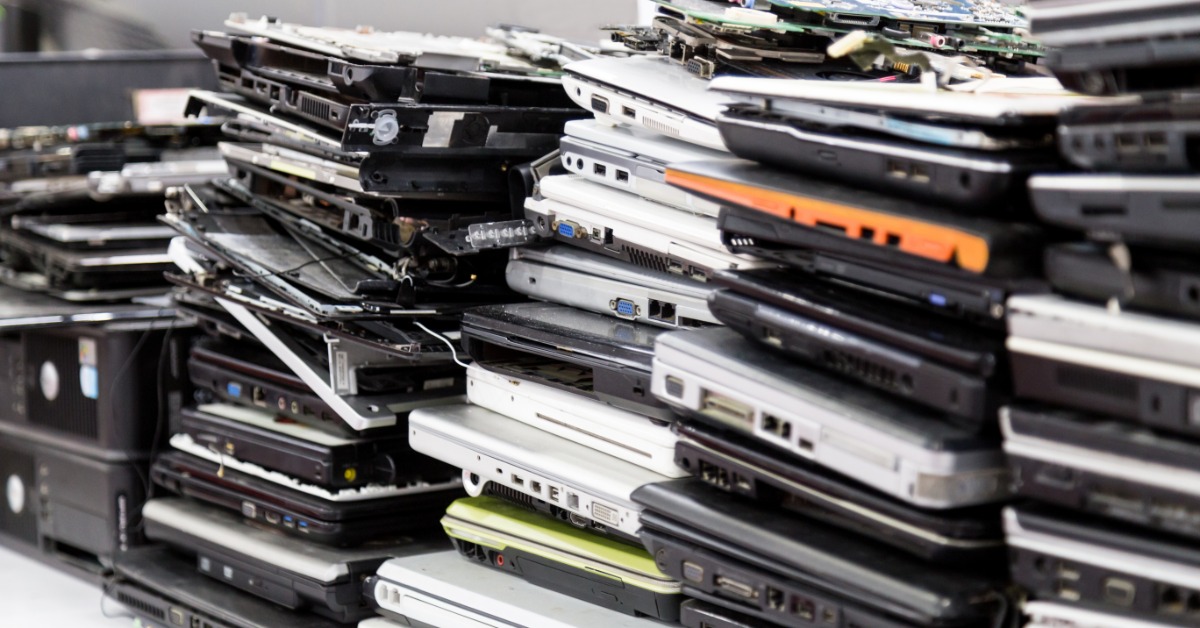
Old digital assets often collect in back rooms, IT closets, or storage areas because no one has time to deal with them immediately. While this may seem practical, it can quietly increase risk.
The longer devices sit unused, the harder they can be to track. Staff changes, office moves, and informal handoffs can separate equipment from inventory records.
A clear disposal routine prevents this buildup. Businesses should know which devices are ready for destruction, where they are stored, who can access them, and when they will be removed from circulation. Without that structure, old equipment can become one of the least visible—and most critical—parts of the security program.
Third-Party Handling Requires Visibility
Many companies rely on outside vendors for technology disposal or recycling. That can be useful, but it also creates questions about control. If a device leaves your location before the data is destroyed, the chain of custody becomes more complex.
The risk increases when businesses do not know exactly how assets are handled after pickup. Devices may be transported, sorted, stored, or processed at another location. Each step adds an opportunity for error.
Transparency is essential. Businesses should not have to wonder whether a drive was wiped, stored, resold, or destroyed. They need clear confirmation that sensitive data is no longer recoverable.
On-Site Destruction Reduces Uncertainty
On-site destruction helps businesses maintain control over digital assets during one of the most sensitive phases of disposal. Instead of sending devices away and waiting for confirmation, the destruction process happens at the business location.
IntelliSHRED’s on-site services align with this need for transparency. The company brings destruction directly to businesses, allowing them to see the process and gain immediate reassurance that sensitive materials have been handled securely.
Secure Destruction Supports Better Internal Accountability
A consistent destruction process helps employees make better decisions. When there is no defined procedure, staff may improvise. Some may store old computers indefinitely, while others may try to wipe devices themselves or send them to general recycling.
Clear expectations reduce confusion. Employees should know when digital assets need to be retired, who approves destruction, and how the process is documented. This prevents sensitive equipment from moving through informal channels.
Secure computer destruction works best when it is part of a broader asset management routine. Businesses can track devices from purchase through retirement and make destruction a standard final step instead of a rushed decision.
Recycling Should Not Come Before Data Security
Electronic recycling can be an important part of responsible equipment disposal, but it should not happen before the data risk is addressed. A device may be recyclable, but the information stored on it still needs secure handling.
The safest approach separates data security from material recovery. Businesses should destroy or otherwise secure storage media before devices enter any recycling stream.
A destruction-first process can support both security and responsible disposal. It helps businesses protect information while still allowing for a more organized approach to outdated equipment.
The Real Cost of Waiting Too Long
Delaying destruction can feel harmless when old devices are out of sight. In reality, each stored asset can represent a piece of unresolved risk. The more equipment a business accumulates, the harder it becomes to manage securely.
Waiting too long can also make the process more stressful. Instead of handling a small number of devices on a routine schedule, teams may face a large backlog during an office move, leadership change, or compliance review. That pressure can lead to mistakes.
Closing the Door on Recoverable Data
When digital assets aren’t properly destroyed, old devices can expose information that businesses thought was gone. That exposure can affect customers, employees, compliance efforts, and the organization’s reputation.
At IntelliSHRED, we help businesses take control of digital asset disposal through secure on-site destruction services. Our team brings the process directly to your location so you can witness destruction and reduce risk before equipment leaves your control. Contact us today to schedule secure computer destruction and build a safer disposal process for your business.