
Unsellable inventory can look like a routine operations issue. A product may be expired, damaged, recalled, mislabeled, outdated, or no longer safe to release. Once your team decides it cannot be sold, you need to make the right choice on what to do next.
For companies that manage branded goods, regulated products, prototypes, or defective materials, disposal alone can leave too much room for risk. That is why secure destruction is critical for unsellable inventory across many business environments. Secure product destruction ensures items cannot be recovered, reused, resold, or mistaken for approved inventory.
Unsellable Does Not Always Mean Harmless
When products are pulled from inventory, it is easy to think the risk has ended. The product is no longer available to customers, so the problem feels contained. In reality, unsellable items can create new exposure if they are stored, transported, discarded, or recycled without the right safeguards.
A damaged product may still carry your logo. A recalled item may still look usable to someone outside your organization. If it resurfaces, customers may see your name attached to a product that should never have been in circulation.
Why Standard Disposal Can Fall Short
Standard disposal removes products from your facility, but it does not always eliminate the item. Once inventory leaves your control, it may pass through several hands before reaching its final destination. Each transfer creates another opportunity for loss, theft, diversion, or misunderstanding.
For low-risk materials, ordinary disposal may be enough. For unsellable inventory, the stakes are different. The item may carry confidential product information, recognizable branding, safety concerns, or market value that makes it tempting to recover.
Businesses often face risk when unsellable goods include:
- Recalled or defective products that should not reach customers
- Branded merchandise that could be misused or resold
- Expired, outdated, or noncompliant inventory that creates liability
Secure product destruction closes that gap. Instead of relying on disposal to remove the item, choosing destruction makes the item unusable.
Protecting Brand Value After Products Leave the Shelf
A brand is built through consistency. Customers expect products carrying your name to meet your standards. When unsellable inventory reaches the public, even accidentally, it can damage that expectation.
The problem is not limited to large recalls or highly regulated products. A damaged promotional item, discontinued package, rejected prototype, or defective branded product can still affect how people view your company.
Secure destruction helps businesses protect brand integrity. It ensures that anything removed from sale is actually removed from circulation, reducing questions about authenticity, safety, or product handling.
Reducing Liability From Defective or Recalled Goods
Unsellable inventory often becomes unsellable for a specific reason. The item may not meet safety standards. It may have a production flaw. It may be missing required labeling or documentation. It may also be part of a larger corrective action.
If those goods are discarded without destruction, they may still be found and used. That can expose a business to claims, investigations, or customer complaints. Even when the company acted responsibly by pulling the item from inventory, poor end-of-life handling can undermine that decision.
This is where a documented destruction process matters. A secure provider gives you access to a controlled process for destroying materials that should not re-enter the market.
Keeping Control Over the Chain of Custody
Chain of custody matters because it shows who handled inventory and when. The more steps involved, the harder it becomes to maintain full visibility. Unsellable inventory is especially sensitive because businesses need confidence that materials were not diverted before destruction.
On-site services can help reduce that uncertainty. Instead of sending materials away and waiting for confirmation later, your team can have destruction performed at your location. This approach keeps the process visible and limits unnecessary handling.
A stronger chain of custody can support:
- Clear accountability for sensitive or high-risk inventory
- Immediate destruction before items leave your site
- Greater transparency for internal teams and stakeholders
For businesses that value transparency, being able to witness the destruction process is a meaningful advantage. It turns a hidden disposal task into a verifiable business practice.
Why Secure Product Destruction Supports Compliance
Compliance requirements vary by industry and material type, but the underlying goal is often the same: protect people, data, products, and business records from misuse. Compliance can come into play when products are recalled, regulated, confidential, or tied to consumer safety concerns.
A casual disposal process can create gaps in your compliance. Teams may not have proof that the inventory was destroyed; they may not know exactly when it left the facility; or they may also lack a repeatable process for handling future unsellable goods.
Secure product destruction supports a more consistent approach. It gives businesses a defined path for managing materials that require extra care. When documentation is available, companies can maintain better internal records for audits, quality reviews, and risk management discussions.
The Hidden Risk of Storage Delays
Many businesses hold unsellable inventory longer than they should. A team may move items to a back room while deciding what to do next. Over time, those products may be forgotten, misplaced, or mixed with active inventory.
Storage delays increase exposure. The longer products remain on-site without a plan, the greater the chance that someone moves, reuses, or releases them by mistake. Even careful teams can run into problems when there is no clear process for separating and destroying high-risk materials.
A regular destruction process can help prevent buildup. Instead of waiting until unsellable inventory becomes a space or security issue, businesses can schedule destruction as part of their broader inventory control strategy.
What Types of Inventory May Require Destruction?
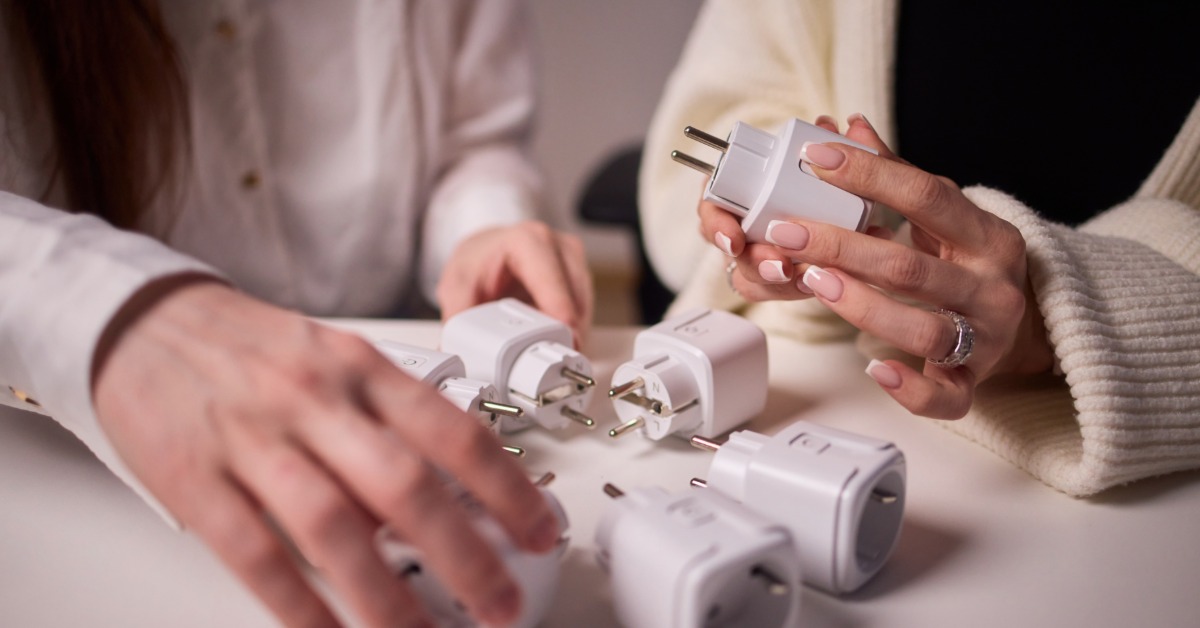
Not every unsellable item carries the same level of risk. However, businesses should review whether the product could harm customers, expose the brand, reveal sensitive information, or create compliance concerns if it resurfaced.
Common examples include:
- Defective products, recalled goods, or rejected production runs
- Branded packaging, uniforms, promotional items, or obsolete materials
- Prototypes, samples, counterfeit items, or expired inventory
If an item could cause confusion, liability, or reputational harm, destruction is often the safer choice.
On-Site Destruction for Businesses
On-site destruction offers an added layer of control. IntelliSHRED brings mobile destruction services directly to business locations, allowing customers to witness the destruction process. This approach supports transparency, allowing team members to keep an eye on the items until they are completely destroyed instead of allowing risky products to change hands.
On-site service can also simplify coordination. Instead of managing multiple disposal steps, businesses can work with a provider that handles destruction directly and efficiently.
Protect What Should Never Resurface
Unsellable inventory can continue creating risk until it is fully destroyed. Standard disposal may remove products from your workspace, but it does not always prevent recovery, reuse, or resale. Businesses need a stronger process when products carry safety concerns, brand exposure, or liability risk.
That is why secure destruction is critical for unsellable inventory. By choosing secure product destruction, your business can prevent unwanted materials from re-entering circulation and show that it takes responsible inventory management seriously.
At IntelliSHRED, we help businesses handle product destruction with secure on-site services. Our team destroys materials at your location so you can witness the process and maintain better control. Contact us today to schedule secure product destruction services that support safer inventory management.