
Every device tells a story, even after you press delete. Yes, your deleted data may still float around online. Files often persist on local drives, backups, and synced services.
Cybercriminals and data scavengers know where those leftovers live. Businesses and individuals face real risk when retired hardware and cloud accounts don’t receive a proper wipe. Secure data destruction protects customer trust, reduces legal exposure, and closes the door on costly breaches.
Common Misconceptions About Data Deletion
Erasing vs. Formatting
Many assume that deleting a file or running a quick format will permanently remove data. In reality, deleting typically removes only the directory pointer, not the underlying data itself. Similarly, quick formatting resets file tables but leaves content intact, making data recoverable using specialized tools.
The Myth of the Recycle Bin
Emptying the Recycle Bin may feel like a final step, but it only marks space as available for future use. Unless that space is properly overwritten, the original data can often still be retrieved.
Overwriting Isn’t Always Enough
A single overwrite helps, but advanced recovery techniques can sometimes piece together data fragments, especially on modern devices. Solid-state drives (SSDs) complicate things further, as wear leveling spreads data unpredictably, sometimes leaving traces beyond standard overwrite ranges.
The Lingering Footprints of Deleted Data
How Data Recovery Tools Work
Data recovery programs search for file signatures, orphaned entries, and bits of metadata across storage devices. Even if files are missing from indexes, signature-based carving can reconstruct entire files from residual fragments.
Data Remnants on Storage Media
Storage devices are often home to caches, temporary files, logs, thumbnails, and restore points—all potential sources of sensitive information. Networked devices like printers, copiers, and routers can also harbor hard drives containing confidential data such as scans or credentials.
Cloud Storage Vulnerabilities
Cloud platforms improve durability by creating replicas and backups, but this redundancy can allow deleted data or old versions to persist long after apparent removal. Weak offboarding, expired accounts, or improper settings may also leave snapshots and files publicly accessible or retrievable with outdated credentials.
Compliance and Legal Obligations
GDPR and Data Protection Regulations
The EU’s General Data Protection Regulation (GDPR) mandates secure processing and prompt erasure of personal information when requested. Organizations must demonstrate that they have strong technical and organizational safeguards in place for data handling and disposal.
Industry-Specific Compliance (HIPAA, PCI DSS)
Certain industries carry their own strict requirements. Healthcare providers under HIPAA, for example, must destroy protected health information so it cannot be reconstructed. Similarly, PCI DSS obliges organizations handling payment data to ensure secure disposal of all sensitive media—paper and electronic alike.
Consequences of Data Breaches
Data breaches can lead to severe regulatory penalties, costly legal proceedings, and even class action lawsuits. The expenses associated with incident response and forensics are significant, not to mention long-term reputational harm that persists well after the incident.
Secure Data Destruction Methods
Degaussing Explained
Degaussing employs strong magnetic fields to disrupt the data on magnetic media, such as tapes and some types of hard drives, making the data unreadable. However, this method is ineffective on SSDs and flash storage, which require a different approach to achieve complete erasure.
Physical Destruction: Hard Drive Shredding
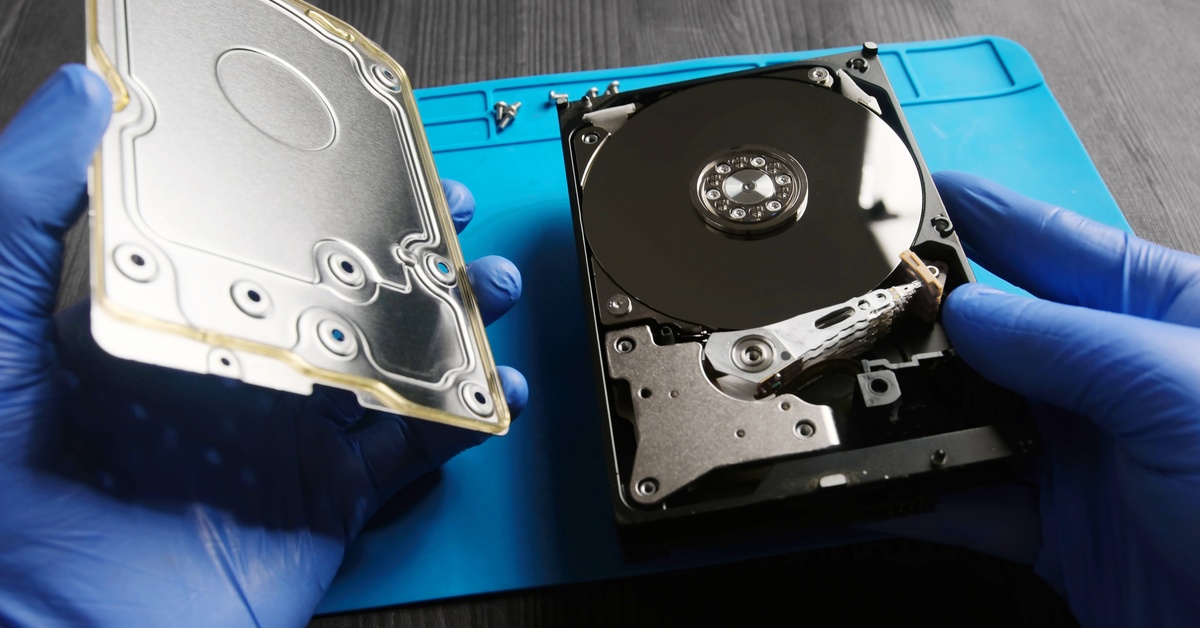
Physically destroying hard drives—shredding platters and chips—ensures data cannot be reconstructed. Certified providers use specialized equipment to meet strict particle size requirements and maintain documentation, including serial-number tracking, to verify the completion of each job.
Data Wiping Software: Pros and Cons
Data wiping software performs multiple overwrite passes and confirms the results, making it suitable for assets intended for reuse. While effective within a controlled chain of custody, wiping may be less reliable for some device types or high-security applications.
Choosing a Data Destruction Service
Questions To Ask Potential Providers
- What types of devices—HDDs, SSDs, tapes, mobile devices—do your methods cover?
- How do you validate destruction, and will you provide supporting documentation?
- What is your disposal process for destroyed materials, and where do you send materials for processing?
Ensuring a Chain of Custody
Maintaining a documented chain of custody helps eliminate any doubts about the process. Reliable service providers log asset serial numbers, seal containers, use GPS tracking for transport, and offer witnessed destruction when requested. Comprehensive certificates of destruction should specify device identifiers and detail the methods used.
The Environmental Impact of E-Waste
Responsible E-Waste Disposal
Old electronics contain hazardous substances and valuable metals. Proper e-waste disposal prevents environmental contamination and allows for resource recovery. Certified recyclers adhere to rigorous standards for processing and transparent reporting.
Contributing to a Sustainable Future
Sustainable IT asset disposition means prioritizing both data security and environmental responsibility. Companies should choose certified partners, require secure data destruction prior to transportation, and demand thorough documentation for downstream recycling.
Proactive Steps Individuals and Businesses Can Take
Developing a Data Security Policy
A written data security policy should address data retention, encryption, access management, and end-of-life disposal for all storage media. Ensure the policy encompasses both physical and cloud-based resources and reflects the organization’s regulatory landscape and risk profile.
Employee Training on Data Handling
Well-informed staff are key to effective data security. Regular training helps employees recognize sensitive data, adhere to approved storage practices, and follow proper procedures for disposal. Periodic updates and handy job aids further reinforce these habits.
Regular Audits of Data Destruction Practices
Auditing is essential to verify compliance and identify areas for improvement. Regularly review certificates, serial logs, and recycler receipts. Test data wipe and recovery processes, and adapt policies to meet evolving media types and legal obligations.

Navigating the Evolving Landscape of Data Protection
The threat environment is always changing. Staying informed about technological advancements and shifting compliance requirements is critical to maintaining security for both company and client data.
A strong data protection posture starts with employee education. When staff understand the importance of responsible file and device management, they actively reduce the risk of incidents.
Finally, forming a relationship with a trusted data destruction vendor provides further peace of mind. Look for a provider that values transparency, thorough documentation, and clear protocols. When you choose experts who uphold the highest standards, you ensure compliance and secure data handling both now and in the future.
Protecting Your Data
Threat actors thrive on leftovers. One forgotten drive, copier, or cloud snapshot can unravel years of trust and compliance. Because your deleted data is still floating around online, risk will never disappear on its own.
Robust policy, rigorous partners, and verifiable processes close the gaps. Certified hard drive shredding and secure wiping form a dependable defense. Responsible e-waste disposal adds environmental leadership to your security posture.
Ready to retire assets without regret? Contact Intellishred for hard drive destruction services and gain airtight documentation, verifiable methods, and a trusted chain of custody from end to end.