
As companies increasingly rely on technology to drive operations, the responsibility for proper electronic waste disposal has shifted from an optional consideration to a critical business imperative.
The rapid pace of technological advancement means devices become obsolete faster than ever before. Smartphones, laptops, servers, and other electronic equipment that seemed cutting-edge just a few years ago now require replacement or upgrading. This cycle creates a continuous stream of electronic waste that, without proper handling, can pose significant environmental and regulatory risks to your organization.
Learning how to prepare your company for e-waste disposal requires more than simply throwing old computers in the trash. It demands a strategic approach that considers environmental impact, regulatory compliance, data security, and operational efficiency. Use our guide below to learn the essentials of proper prep.
E-Waste and Its Environmental Impact
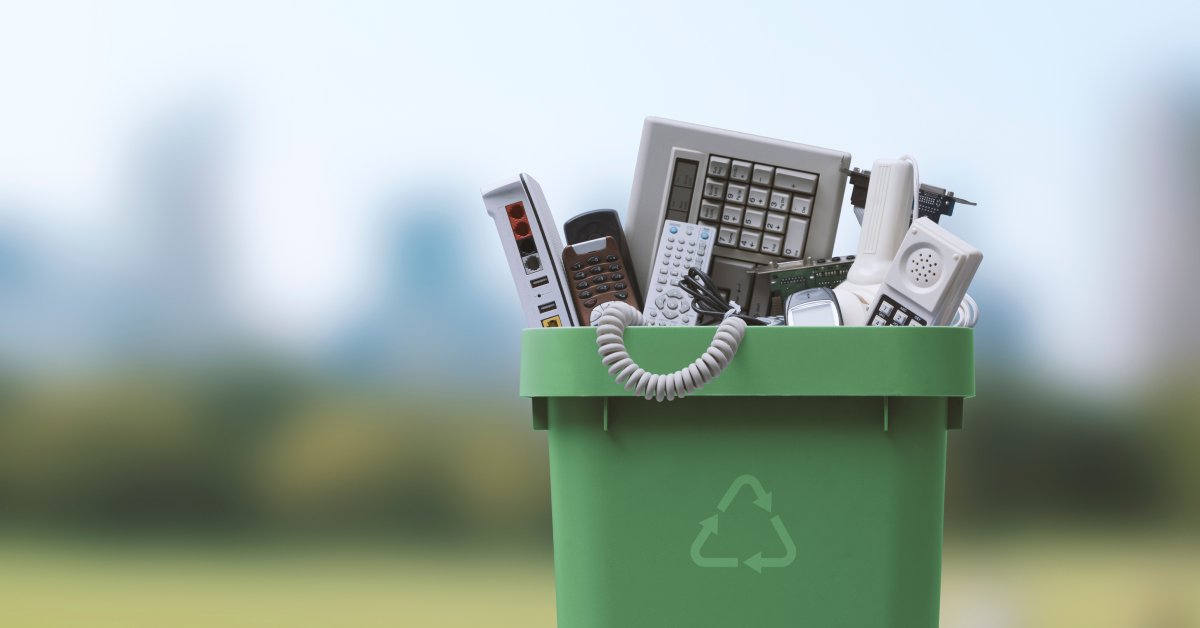
Electronic waste encompasses any discarded electrical or electronic equipment, ranging from desktop computers and mobile phones to printers, batteries, and industrial machinery. The scope extends beyond obvious items such as laptops and tablets to include LED light bulbs, digital cameras, and even smart thermostats that companies might overlook during disposal planning.
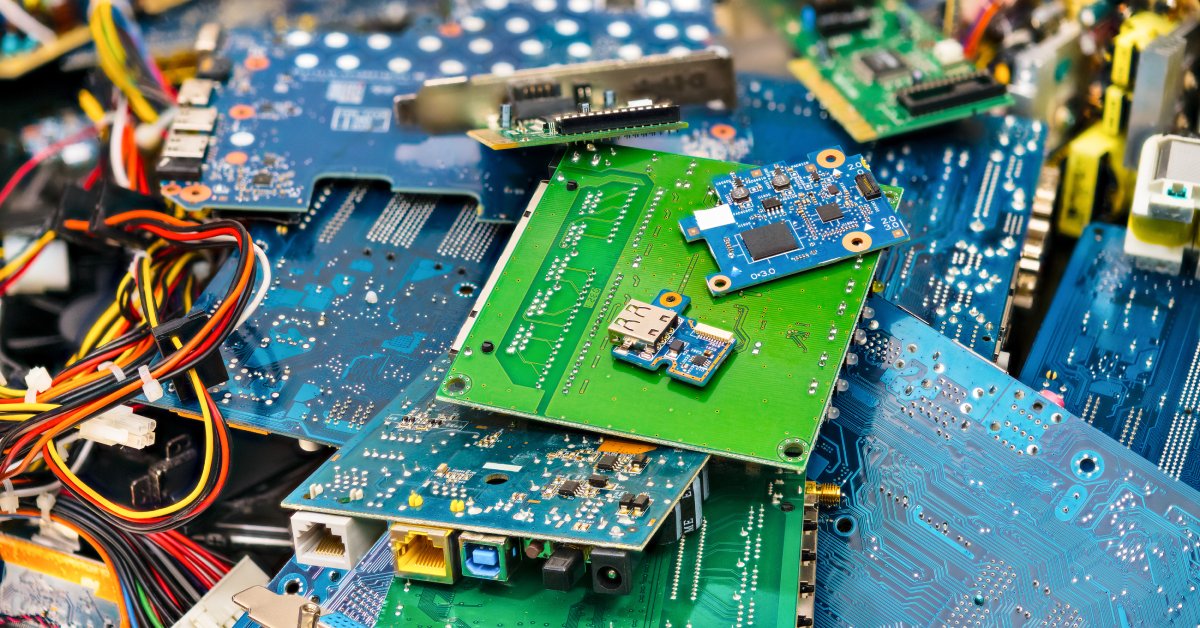
The environmental consequences of improper e-waste disposal are severe and far-reaching. Electronic devices contain hazardous materials, including lead, mercury, cadmium, and flame retardants, that can leach into soil and groundwater when disposed of in regular landfills.
Impact on Manufacturing
Manufacturing new electronic devices requires significant natural resources and energy consumption. When companies dispose of electronics improperly, they miss opportunities to recover valuable materials like gold, silver, copper, and rare earth elements that they can recycle into new products. Resource recovery reduces the need for mining operations and decreases the overall environmental footprint of technology manufacturing.
The scale of the e-waste problem continues to grow as businesses digitize operations and replace equipment more frequently. Understanding these environmental implications helps companies recognize that proper disposal represents both an environmental responsibility and an opportunity to contribute to a circular economy where materials maintain value through multiple use cycles.
Assessing Your Company’s Current E-Waste Practices
Before implementing new e-waste disposal procedures, companies need a clear picture of their current practices and waste generation patterns. This assessment begins with conducting a comprehensive inventory of all electronic equipment across your organization, including items in storage, backup devices, and equipment scheduled for replacement.
Document the lifecycle stages of each device category, noting purchase dates, expected replacement timelines, and current disposal methods. Many companies discover they have been treating e-waste as regular office waste, creating compliance risks and missing opportunities for responsible disposal. This inventory process can reveal forgotten equipment in storage rooms or closets that you should include in disposal planning.
Reviewing Critical Data
Review past disposal activities to identify patterns in waste generation and costs associated with equipment replacement. This historical analysis helps establish baseline metrics for measuring improvement and budgeting for future e-waste management activities.
Creating a Comprehensive E-Waste Disposal Plan
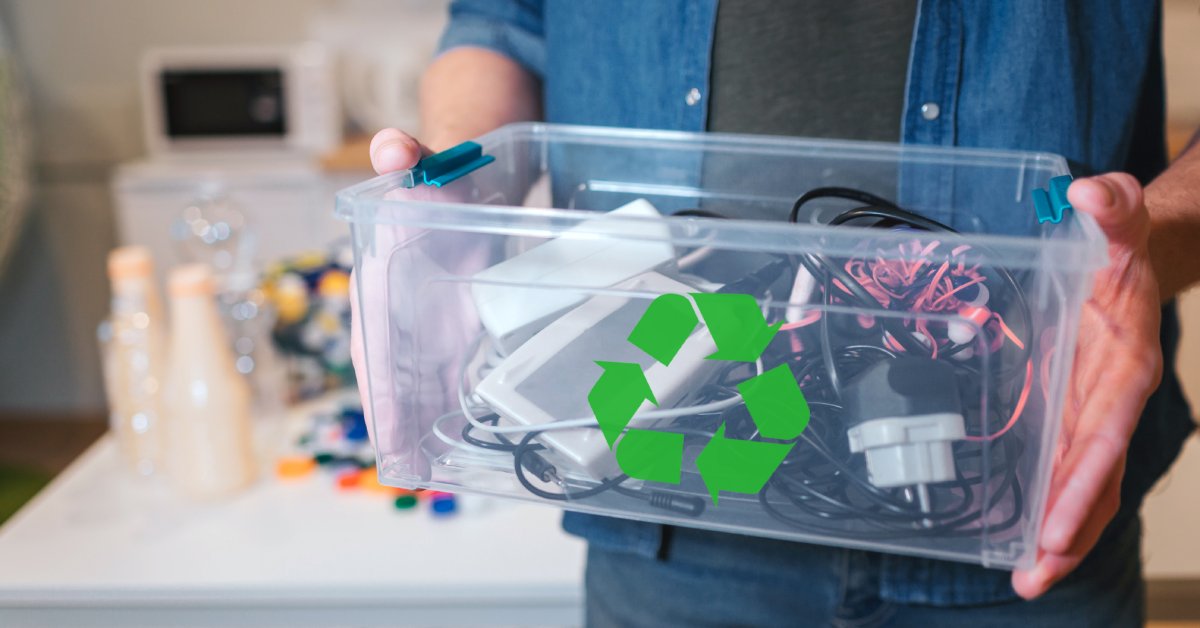
One of the most helpful ways to prepare your company for e-waste disposal is to create a comprehensive plan. A successful e-waste disposal plan establishes clear procedures that employees can follow consistently across all departments and locations. This plan should address different types of electronic equipment, specify approved disposal methods, and outline responsibilities for various stakeholders throughout the organization.
Categorize Your Waste
Begin by categorizing your electronic equipment based on disposal requirements, data security needs, and environmental considerations. High-security devices such as servers and workstations require different handling procedures than basic peripherals or consumer electronics. Similarly, devices containing batteries or hazardous materials may need specialized processing that affects timing and logistics.
Define Your Timeline
Establish clear timelines and triggers for equipment disposal that prevent the accumulation of obsolete devices. Consider setting automatic replacement schedules based on device age, warranty expiration, or performance benchmarks. That way, you can maintain operational efficiency while ensuring the timely disposal of older equipment. These schedules should account for budget cycles, operational needs, and disposal service availability.
Establish Roles
Define roles and responsibilities for different aspects of the disposal process, from initial equipment assessment through final certification of destruction or recycling. Assign specific individuals or departments the responsibility of coordinating with disposal vendors, maintaining records, and ensuring compliance with internal policies and external regulations. Clear accountability prevents equipment from being overlooked or handled improperly during busy periods or staff transitions.
Employee Training and Awareness Programs
Effective e-waste management requires participation from employees at all levels who handle, use, or make decisions about electronic equipment. Training programs should educate staff about environmental impacts, regulatory requirements, and procedures they must follow when equipment reaches end-of-life status.
Start with awareness training that explains why proper e-waste disposal matters and how individual actions contribute to company-wide sustainability goals.
Individual Goals for Specific Roles
Provide procedural training for different employee groups based on their roles and responsibilities. IT staff need detailed technical training about data destruction and equipment preparation, while general office workers need straightforward guidance about reporting equipment problems and following disposal request procedures. Facilities managers require different knowledge about coordinating pickups and maintaining storage areas for equipment awaiting disposal.
Provide the Right Resources
Develop reference materials and quick guides that employees can consult when questions arise about devices or situations. These resources should include contact information for internal coordinators, vendor support, and escalation procedures for unusual circumstances.
Partnering With Professional E-Waste Recycling Services
Selecting qualified electronic shredding partners represents one of the most critical decisions in your disposal program. Certified recycling services provide expertise, equipment, and processes that most companies cannot replicate internally, while ensuring compliance with environmental regulations and industry best practices.
Evaluate potential partners based on their processing capabilities, geographic coverage, and service offerings that match your company’s needs. Some recyclers specialize in particular types of equipment or offer additional services such as data destruction, asset recovery, or on-site processing that might benefit your operations. Geographic proximity can reduce transportation costs and environmental impact while facilitating better communication and service delivery.
Data Security and Privacy Considerations
Electronic devices often contain sensitive business information, customer data, or intellectual property that require secure destruction before disposal. Integrate data security considerations throughout your e-waste disposal planning to prevent unauthorized access to confidential information while ensuring compliance with privacy regulations.
Develop clear data destruction standards that specify which devices require secure data elimination and what level of destruction is appropriate for different types of information. Some devices may require simple data wiping procedures, while others containing highly sensitive information need physical destruction of storage media to prevent any possibility of data recovery.
Establish verification procedures that confirm data destruction has been completed properly before devices leave your control. Many certified recyclers provide certificates of data destruction that document the procedures used and confirm that information cannot be recovered from processed devices. These certificates serve as important compliance documentation and provide peace of mind regarding data security.
Building a Sustainable Future Through Responsible E-Waste Management
Preparing your company for effective e-waste disposal requires commitment, planning, and ongoing attention to evolving best practices and regulations. Success in e-waste management depends on treating it as an ongoing business process rather than a one-time project.
It’s easier than you think to start effectively managing e-waste—evaluate your current disposal practices, raise awareness within your team, and work with trusted recycling partners. By making small changes now, you can protect valuable data, stay compliant, and support a cleaner, healthier environment.